

 English
 Español
 عربى
عربىYou have been carrying a reusable bag for a while now, and somewhere between the grocery runs and the farmers market trips, the question has probably surfaced: cotton or polyester? Both claim to be the sustainable choice. Both fold up. Both handle a week of shopping without falling apart. But they feel fundamentally different in your hands, serve different kinds of days, and belong to different visions of what a reusable bag is actually for. A Foldable Cotton Tote Bag sits at one end of this choice — natural, tactile, visually considered — and understanding where it genuinely outperforms its polyester counterpart, and where polyester holds its own, is what makes the decision feel clear rather than arbitrary.
Cotton and Polyester Are Not Just Different Materials
They represent different values in a physical form. That might sound like marketing language, but it explains something real about why the comparison keeps coming up in buying decisions.

Polyester is petroleum-derived. It is synthetic, engineered for performance, and optimized for properties like tensile strength, water resistance, and weight reduction. Cotton is grown, woven, and processed — a natural fiber with a production footprint that looks different from polyester's, and a physical experience in use that no synthetic can replicate.
Neither material is neutral in how it communicates. A cotton tote communicates something different than a nylon pouch. The choice between them is partly practical and partly expressive — which is why people feel strongly about it in ways that a simple durability comparison does not fully explain.
What Makes a Foldable Cotton Tote Bag Different From a Standard Cotton Bag?
The foldable construction addresses cotton's one consistent practical limitation: it does not naturally compress into a pocket-sized package.
A well-designed foldable version resolves this through:
- Lighter canvas weight: Using a medium-weight canvas rather than a heavy-duty option keeps the folded size manageable without sacrificing load capacity for everyday use
- Reinforced fold lines or integrated storage pocket: Some designs fold into themselves and secure with a snap or wrap closure, keeping the folded form compact and tidy without requiring a separate pouch
- Handle design: Shorter handles fold more cleanly than longer shoulder straps, and some foldable tote designs use detachable handles to reduce bulk
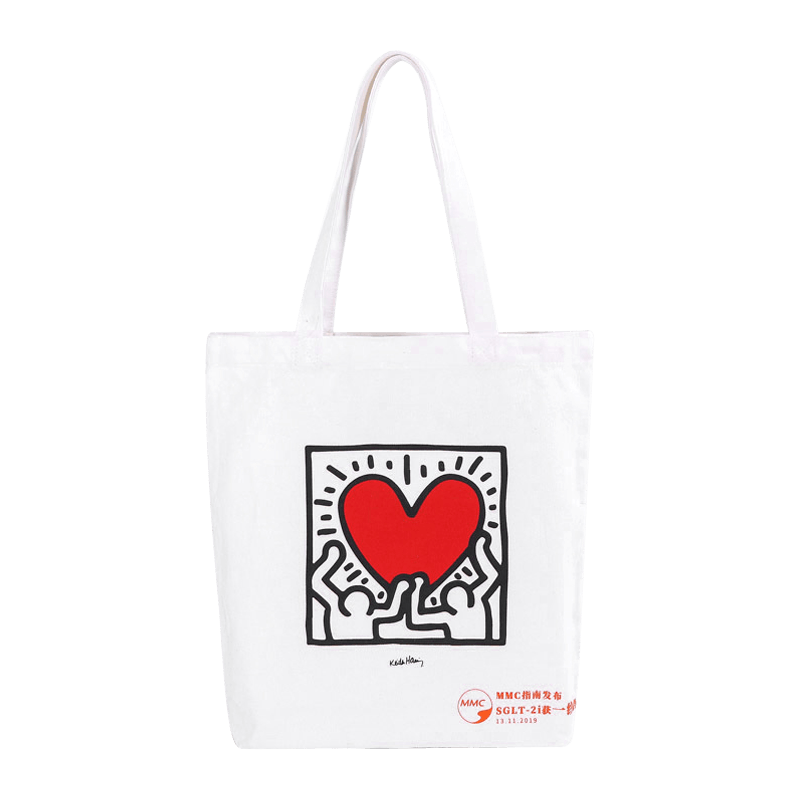
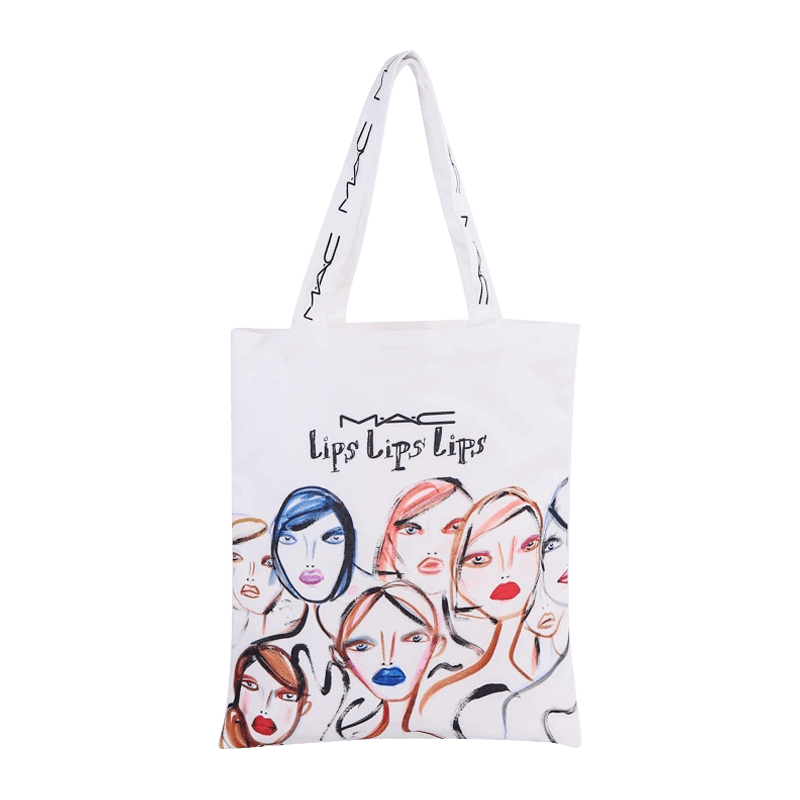
Women's Cotton Tote Bags in particular have developed a foldable format that combines practical carry capacity with an aesthetic finish that polyester designs rarely match. The material drapes differently, holds printed or embroidered designs with more visual depth, and ages in ways that synthetic materials do not — developing a softness with use rather than showing wear as degradation.
How Do the Two Materials Actually Perform Day to Day?
Both materials are functional for everyday reusable bag use. The differences show up in specific conditions rather than across the board.
Where Cotton Holds Up Well
- Structured grocery loads with irregular item shapes — cotton's weave distributes weight more evenly and does not concentrate stress at the handles in the same way that lightweight polyester does
- Dry environments and standard shopping applications — the absence of moisture resistance is not a functional problem in most daily use scenarios
- High-frequency use over a long period — cotton that is cared for properly does not degrade in the same way that polyester surfaces can over time, which show abrasion and pilling after extended wear
- Applications where the bag stays visible — on a desk, on a shoulder, at a market — where the material's appearance communicates something about the owner
Where Polyester Has a Clear Advantage
- Compact, carry-anywhere portability — polyester can compress to a smaller package than cotton at comparable bag sizes, making it more practical for a pocket or small bag
- Wet or outdoor environments — water resistance is a genuine functional advantage for farmers markets, beach trips, and rainy commutes
- Very lightweight carry loads — if the bag is primarily for light, occasional use, polyester's lower weight is a practical benefit
- High-volume distribution contexts where cost per unit matters more than material feel — promotional or event bag applications where bags are given rather than chosen
Does the Environmental Case for Cotton Hold Up Under Scrutiny?
This is where the comparison gets more honest than most product pages are willing to be.
Cotton production requires water and agricultural inputs. The environmental impact of growing cotton is meaningful, and the claim that cotton is automatically more sustainable than polyester requires some context.
What actually determines the environmental calculus:
- Number of uses: A cotton tote bag that is used regularly over years has a lower environmental cost per use than one that is used a handful of times and then sits in a drawer. The same is true of polyester.
- Washing frequency: Cotton bags that are washed frequently use more energy and water over their lifetime than polyester bags that are wiped down between uses. For bags that carry food items and need regular cleaning, this adds up.
- End of life: Cotton is biodegradable; polyester is not. A cotton bag that reaches the end of its useful life decomposes in a way that a polyester bag does not.
- Production method: Organic cotton has a different environmental profile from conventionally grown cotton. OEM Cotton Tote Bag production that uses certified organic material reduces the water and chemical inputs associated with conventional cotton agriculture.
The honest conclusion is that neither material wins unconditionally on sustainability grounds. A frequently used, properly maintained cotton bag over a long period has a defensible environmental case. An infrequently used cotton bag does not.
A Side-by-Side Comparison Across Key Decision Factors
| Factor | Foldable Cotton Tote Bag | Polyester Reusable Bag |
|---|---|---|
| Material origin | Natural fiber | Petroleum-derived synthetic |
| Folded size | Compact with purpose-designed fold | Often compresses smaller |
| Weight | Moderate | Light |
| Water resistance | Low | High |
| Tactile experience | Soft, natural, develops character with use | Smooth, consistent, does not change |
| Visual finish | Holds print and embroidery with depth | Print quality varies by coating method |
| Load capacity | High — distributes weight well | High — handles vary by design |
| Biodegradability | Yes | No |
| Washability | Machine washable | Wipe-clean or hand-wash |
| Long-term durability | High with regular use | High; surface shows wear over time |
| Aesthetic versatility | Wide — from casual to considered | More utilitarian in feel |
Which Scenarios Suit Cotton, and Which Suit Polyester?
The answer is less about which material is categorically better and more about which use pattern the bag needs to support.
Cotton suits daily carry with consistent use:
A bag that goes with you regularly — to the office, to the market, on weekly errands — benefits from cotton's material properties. It handles the weight of regular loads, it holds its shape, and it communicates an intentionality that a bag used as a constant companion tends to acquire.
Polyester suits emergency carry and variable access:
A bag that lives in a coat pocket or the bottom of a handbag for use when needed fits polyester's compression and weight profile. If the bag only comes out when someone has unexpectedly bought more than they planned, its compact storage and light weight matter more than its tactile qualities.
Cotton suits gift and promotional contexts where aesthetics drive perception:
Women's Cotton Tote Bags in branded or curated designs communicate a different message than a polyester equivalent in the same context. For retail gift bags, event keepsakes, or branded merchandise where the recipient's first impression matters, cotton's material quality lands differently.
Polyester suits outdoor and active use cases:
Farmers markets in uncertain weather, beach trips, sports events — polyester's water resistance and wipe-clean surface are practical advantages that cotton genuinely cannot match.
Why Tactile Experience Matters More Than Most Comparisons Acknowledge
There is a dimension to the cotton versus polyester decision that purely functional comparisons miss: how the bag feels to use over time.
A bag that gets used daily is a physical presence in someone's routine. Cotton develops a softness with wear. It drapes naturally. It folds in ways that feel organic rather than mechanical. The stitching and weave are visible components of the object's character.
Polyester is consistent. That consistency is a performance property — the bag feels the same in year three as in month one — but it is also a limitation. Polyester does not develop a relationship with use in the way that natural materials do.
For buyers who have moved away from single-use plastic and toward a considered relationship with reusable objects, this material character matters. It is not vanity. It is the difference between a bag that is chosen and a bag that is merely functional.
How OEM Cotton Tote Bag Production Supports Custom and Volume Needs
For brands, retailers, and organizations sourcing reusable bags at volume, the material choice intersects with customization requirements in specific ways.
OEM Cotton Tote Bag production allows:
- Custom canvas weight selection based on the intended load capacity and fold-size requirements
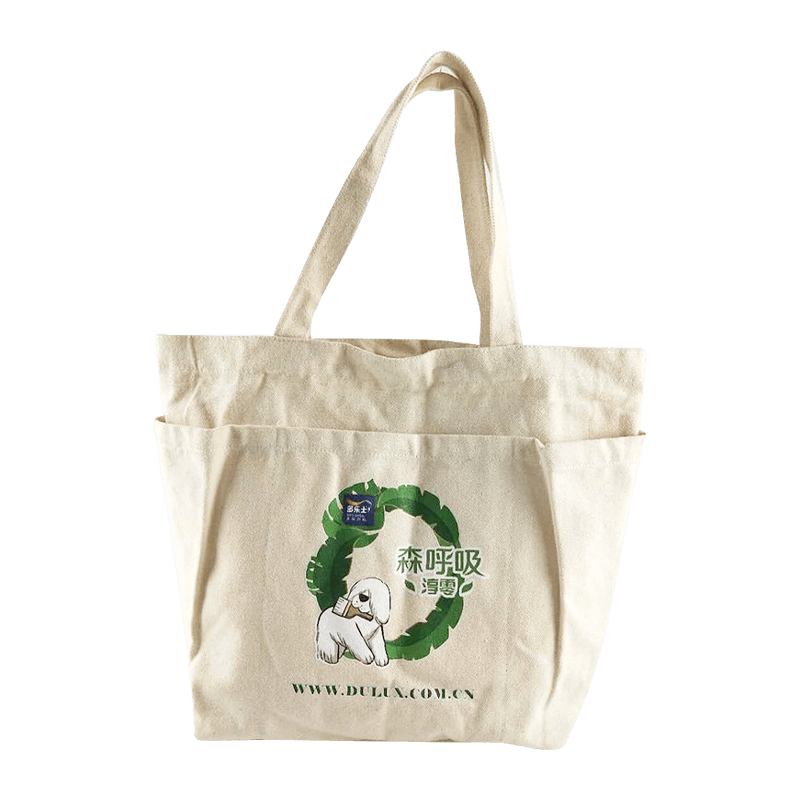
- Print or embroidery options with depth and finish quality that polyester printing cannot consistently replicate
- Organic cotton certification for brands that need to substantiate sustainability claims
- Custom handle length, closure type, and interior pocket configuration
- Foldable construction built into the design from the start rather than retrofitted
Polyester OEM production has its own customization pathway, but the visual outcome for branded applications — particularly embroidery, which sits differently on woven cotton than on synthetic material — consistently favors cotton for applications where the bag is a brand touchpoint.
The choice between a foldable cotton tote and a polyester reusable bag does not resolve to a single correct answer — it resolves to an honest understanding of what each bag is suited to and which of those use patterns describes how the bag will actually be used. Cotton earns its place through material character, environmental credentials in long-term high-frequency use, and a visual and tactile quality that polyester does not replicate. Polyester earns its place through compact portability, water resistance, and light weight in situations where those properties determine whether the bag gets used at all. Wenzhou Laoliu Environmental Eco Bag Co., Ltd. produces Foldable Cotton Tote Bags and reusable bag solutions in a range of cotton weights, canvas constructions, and customization options for both retail and OEM requirements. If you are sourcing for a product launch, a branded distribution program, or a wholesale line and want to discuss material specifications, print options, or volume requirements, reaching out with your project details gives the team the context needed to recommend a configuration matched to your application.