

 English
 Español
 عربى
عربى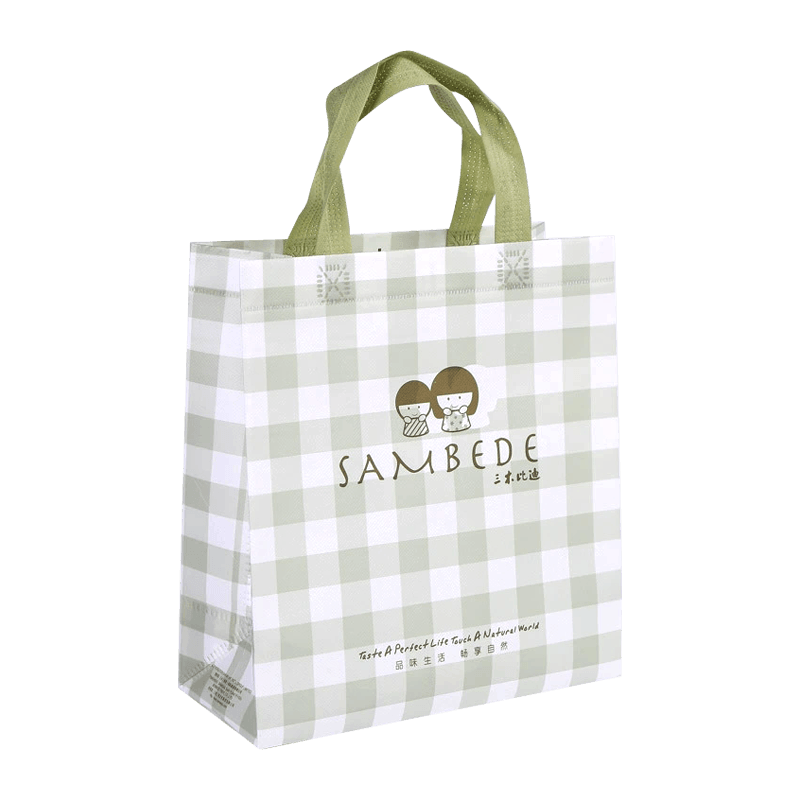
As more consumers focus on environmental responsibility, the use of reusable shopping options has grown. Non Disposable Grocery Bags provide a practical alternative to single-use plastic bags. They are designed for repeated use, helping to reduce waste while offering convenience and durability for daily shopping needs.
Section 1: Key Features of Non Disposable Grocery Bags
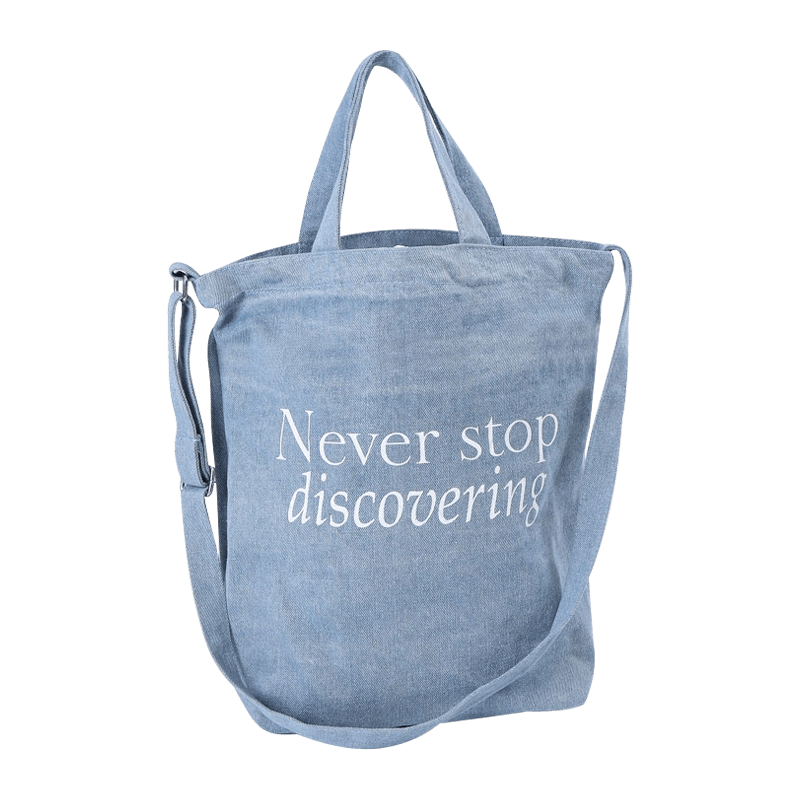
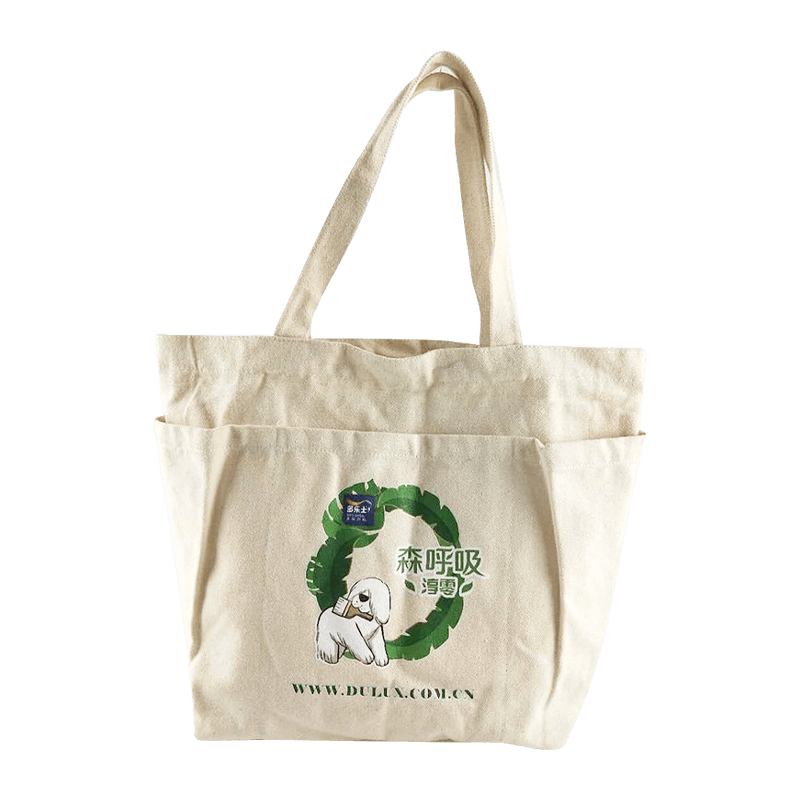
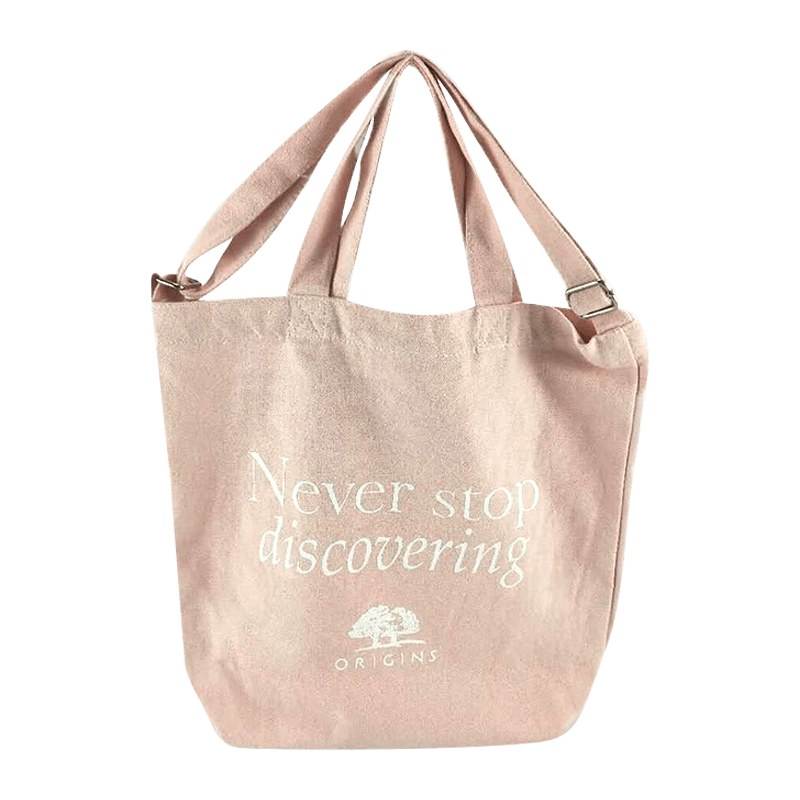
A Non Disposable Grocery Bags solution is designed to be strong, lightweight, and reusable. These bags are often made from materials such as cotton, jute, canvas, or durable non-woven fabrics. They can carry heavy groceries without tearing, unlike traditional disposable plastic bags.
Durability and Strength
One of the main benefits of Non Disposable Grocery Bags is their ability to withstand repeated use. Reinforced handles and strong stitching prevent wear and tear, making them suitable for carrying fruits, vegetables, canned goods, and other groceries multiple times.
Convenience and Design
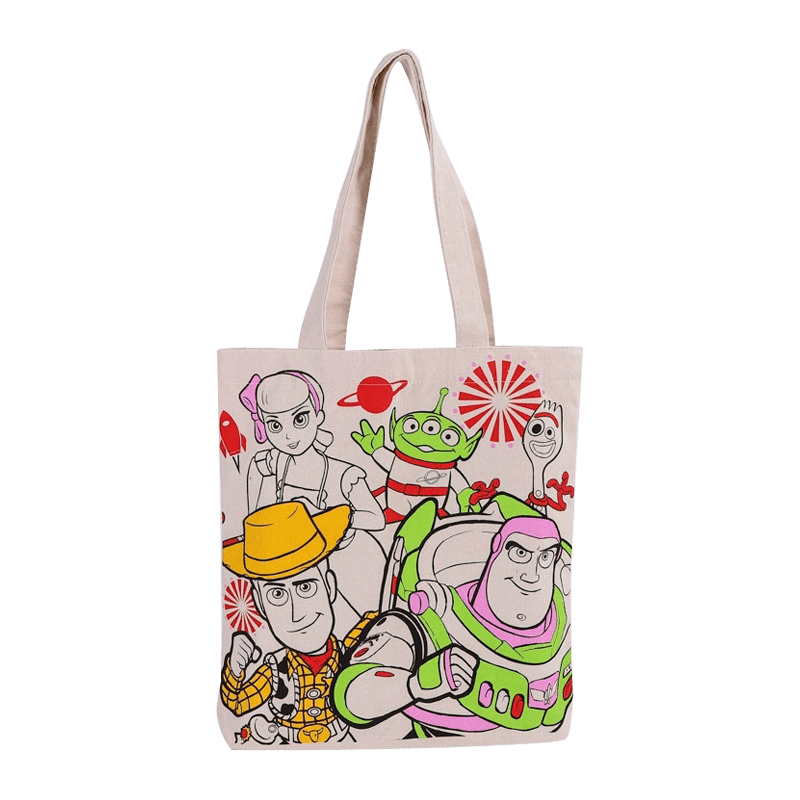
These bags are typically foldable and easy to store, allowing shoppers to keep them in cars or handbags for spontaneous trips. Some models include additional features like compartments, water-resistant coatings, or stylish designs, increasing their usability and appeal.
Section 2: Applications and Benefits
Everyday Shopping
For regular grocery runs, Non Disposable Grocery Bags make carrying purchases more manageable. Shoppers can organize items neatly, reduce the need for disposable bags, and enjoy the comfort of bags that handle heavy loads without stretching or breaking.
Environmental Impact
Switching to Non Disposable Grocery Bags reduces the number of single-use plastics entering landfills or oceans. This small change in daily habits can significantly contribute to waste reduction, pollution control, and resource conservation over time.
Cost Efficiency
Although reusable bags may have a higher initial cost compared to disposable ones, they save money in the long term. Stores in many regions offer incentives or discounts for customers using Non Disposable Grocery Bags, which encourages sustainable shopping practices.
Promotion and Branding
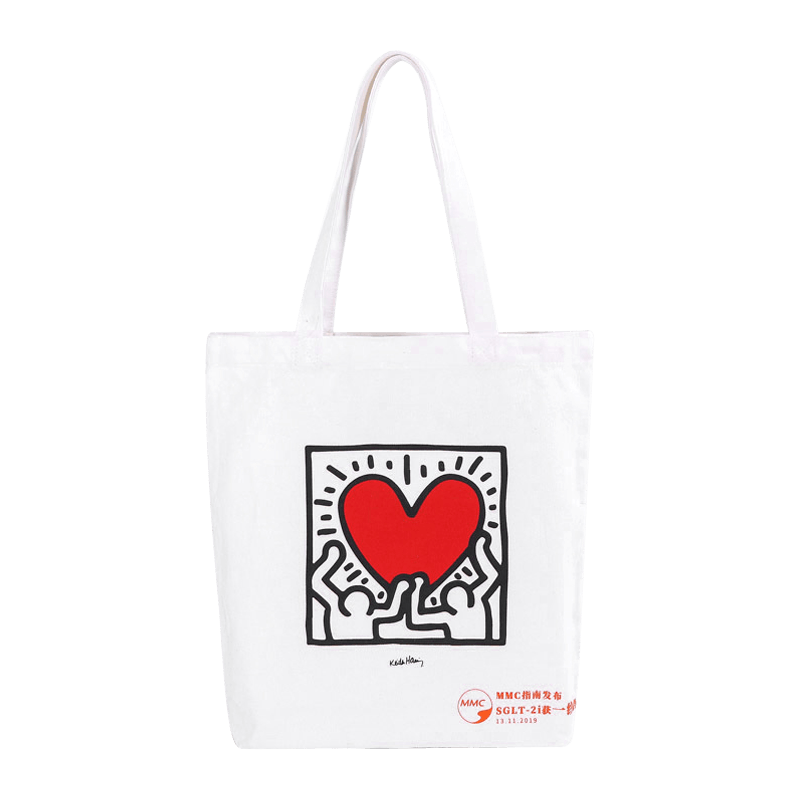
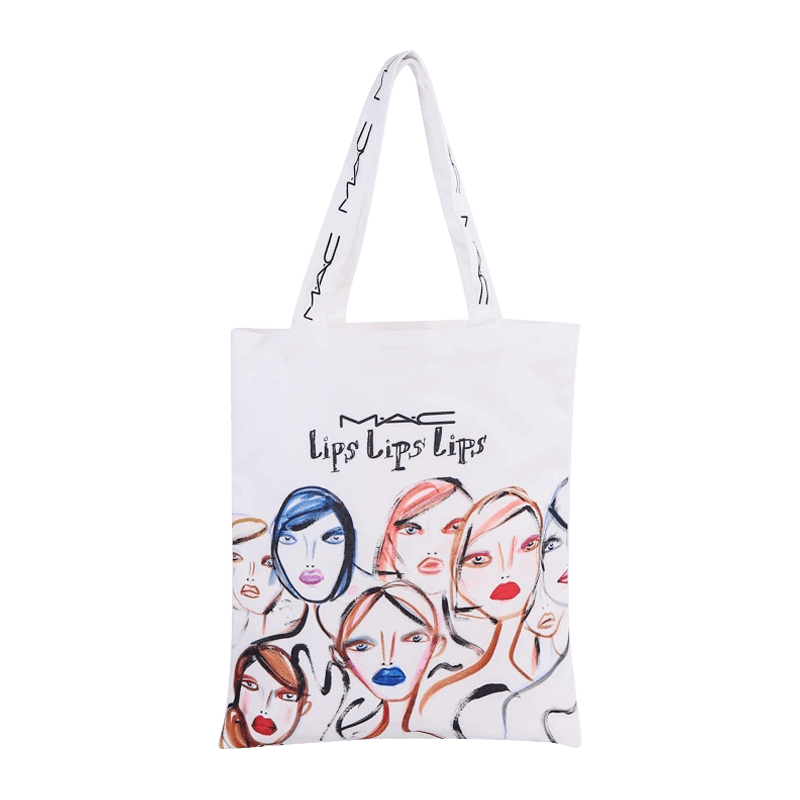
Businesses and grocery stores can use Non Disposable Grocery Bags as a branding tool. Customized logos, colors, or messages printed on reusable bags offer practical advertising while supporting eco-friendly initiatives.
Section 3: Practical Considerations
Material Selection
When choosing Non Disposable Grocery Bags, material quality is key. Bags made from washable, durable fabrics maintain their strength over time. Reinforced handles, tear-resistant seams, and eco-friendly materials increase reliability and environmental benefits.
Maintenance
Maintaining reusable bags is simple. Regular washing or cleaning prevents bacteria buildup and keeps the bags safe for repeated use. Durable fabrics like canvas or non-woven polypropylene are easy to clean and dry quickly.
Storage and Portability
Foldable designs or bags with integrated pouches make carrying and storing Non Disposable Grocery Bags convenient. Keeping one or two bags in a car, purse, or backpack ensures they are always available when needed.
A Practical Step Toward Sustainability
Non Disposable Grocery Bags combine convenience, durability, and environmental responsibility. They provide shoppers with a reusable solution for everyday grocery needs while reducing reliance on single-use plastics. By choosing these bags and maintaining them properly, individuals can make a meaningful impact on waste reduction and resource conservation. For households, businesses, and communities, adopting Non Disposable Grocery Bags is a practical and sustainable choice that benefits both people and the planet.