

 English
 Español
 عربى
عربىShoppers and store owners keep seeing single-use plastic bags pile up after ordinary errands or weekend events. They end up in bins or scattered across landscapes where they hang around far longer than anyone wants. That steady buildup pushes many to hunt for swaps that actually fit into real routines without too much hassle.Cotton Tote Bags give a practical way forward by letting one carrier do the job again and again instead of getting ditched after a single trip.
Single-Use Plastic Bags Create Persistent Waste Streams
Those lightweight plastic ones manage a quick task then head off to disposal without much ceremony. They catch the breeze easily or wash into waterways adding to broader messes on land and sea. Retail teams handing them out day after day start feeling the weight of what collects in back rooms over time.
You notice the push for change when tracking what leaves the store versus what returns.
Why Do Reusable Options Change the Equation?
Turning to carriers meant for repeated trips flips the usual one-and-done habit. Cotton versions hold up under typical loads from groceries to books when given reasonable care. They fold down small enough to keep handy without taking much space.
Sometimes keeping a couple near the door or in the car makes the whole thing feel automatic rather than forced.
Cotton Tote Bags Support Repeated Handling
The fabric keeps its shape through market runs work commutes or casual outings. Handles spread weight so arms do not tire out as fast on longer walks. Many people end up with a favorite that tags along from morning errands to evening gatherings.
After weeks of use the same bag still feels comfortable and tucks away neatly when the day ends.
Does Production Impact Matter in the Long Run?
Cotton comes through farming that draws resources yet that effort stretches when the finished item sees regular action. A bag forgotten in a drawer misses its chance to balance things. How often it actually leaves the house decides if the switch tilts toward real difference.
You catch yourself noticing during a busy shopping day how one sturdy piece quietly covers what used to need many throwaways.
Reusable Loops Versus Disposal Patterns
Plastic runs on a fast track of make use toss that multiplies quickly. Cotton carriers pull the same item back into service trip after trip. Shops see fewer disposables going out once customers get in the habit of showing up ready.
The shift starts small then picks up as neighborhoods join in.
What Role Does Consumer Behavior Play?
It all comes down to whether the carrier gets remembered or the checkout option wins again. Building the routine needs gentle nudges at home or work. Those who stay with it watch their own waste shrink in quiet ways.
A colleague once mentioned how placing one by the keys finally broke the old cycle after a couple of weeks.
Comparing Material Impacts Side by Side
| Aspect | Single-Use Plastic Bags | Cotton Tote Bags |
|---|---|---|
| Primary Use Cycle | One time | Multiple occasions |
| End of Life Path | Disposal after short period | Potential for extended reuse |
| Resource Use Pattern | Lower per unit initially | Spread across many uses |
| Waste Contribution | Accumulates quickly | Lower with consistent return |
| Practical Durability | Limited strength | Supports repeated carrying |
Tradeoffs jump out clearer when you line up daily habits against the details instead of material alone.
Retail and Promotional Applications
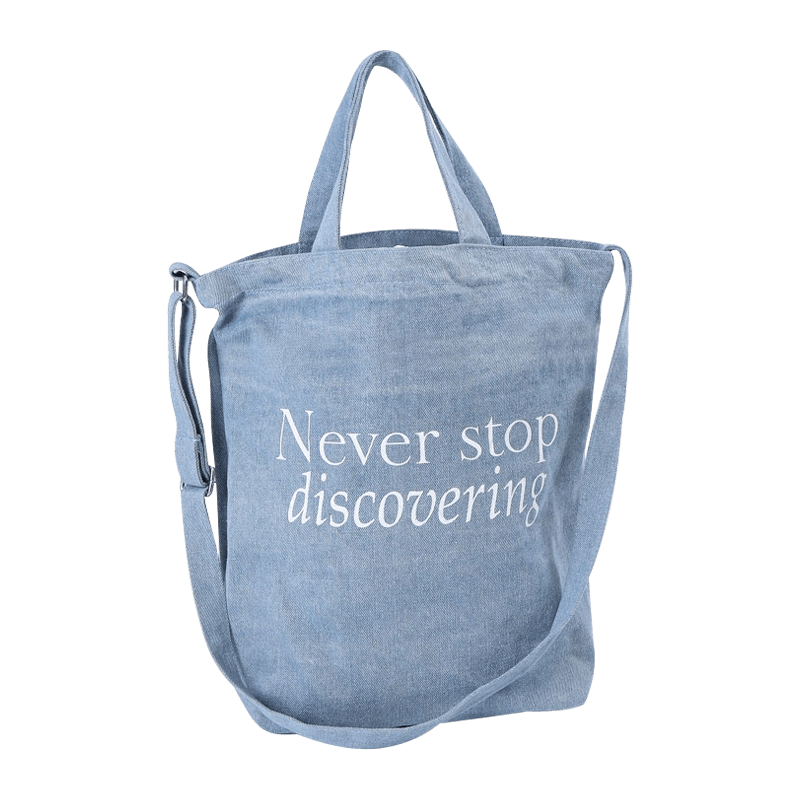
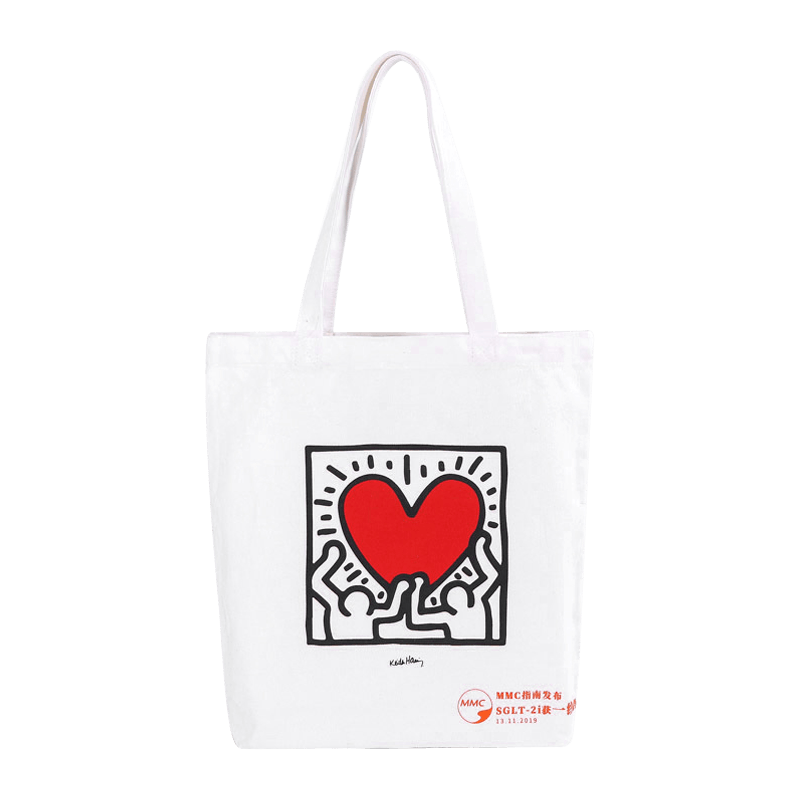
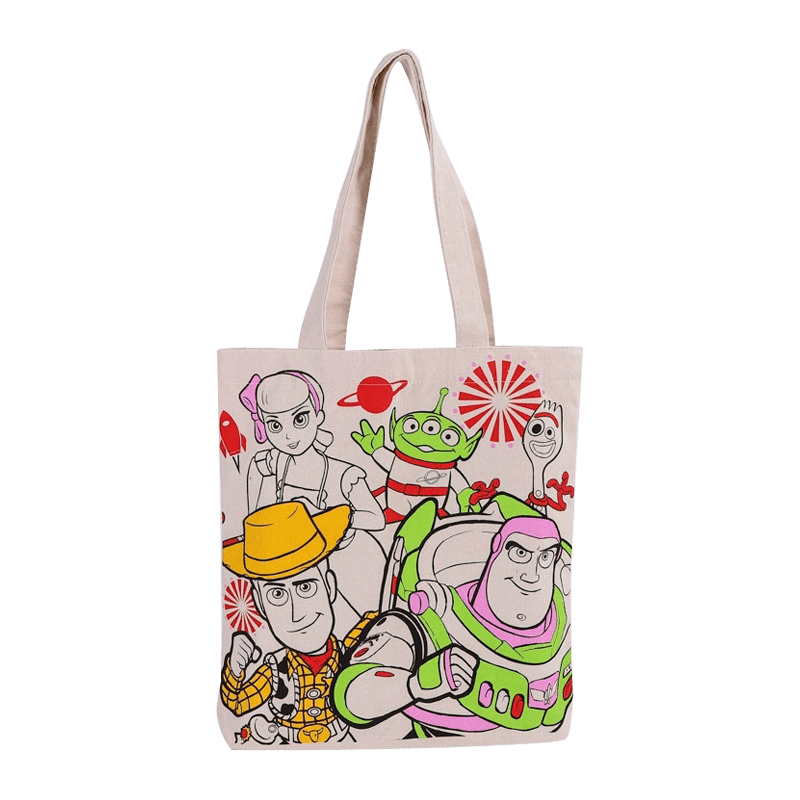
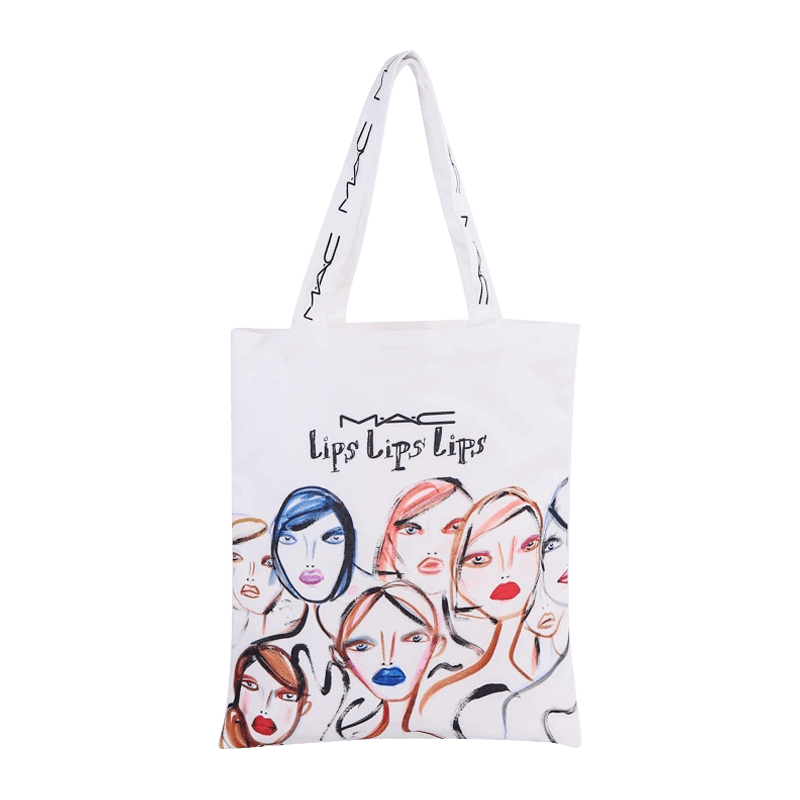
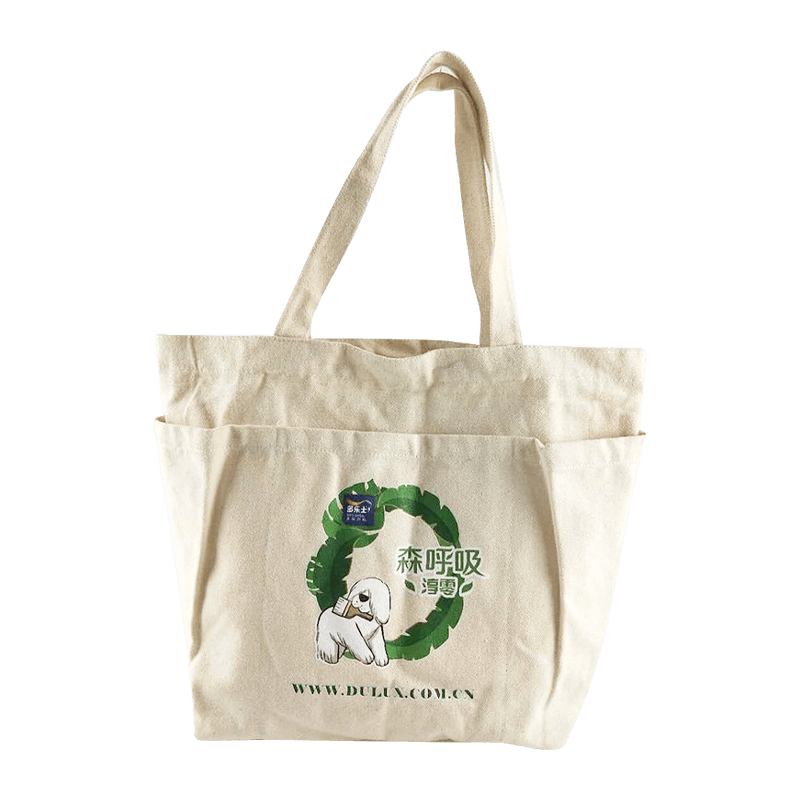
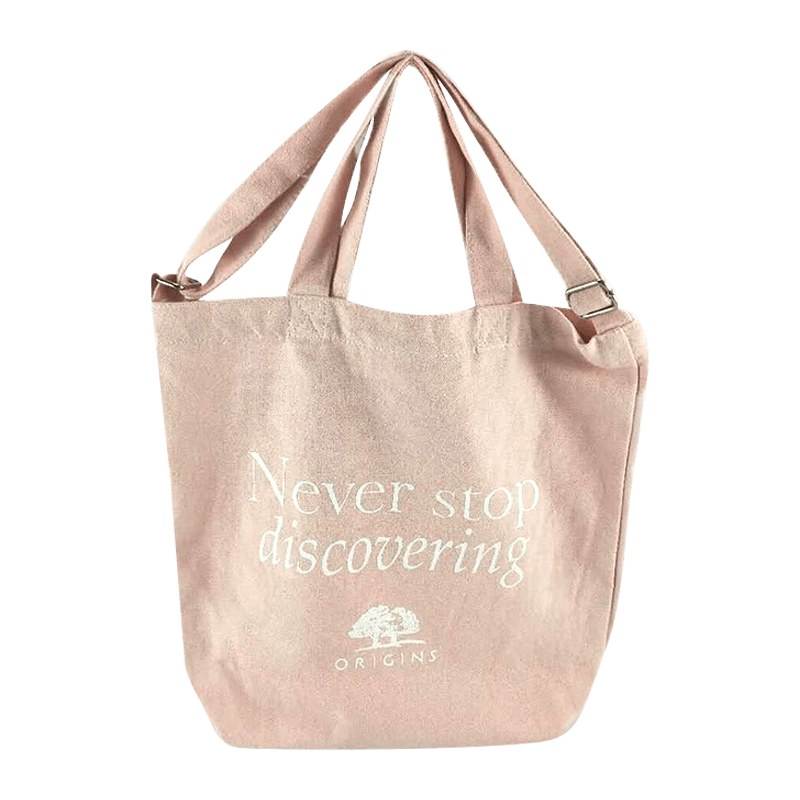
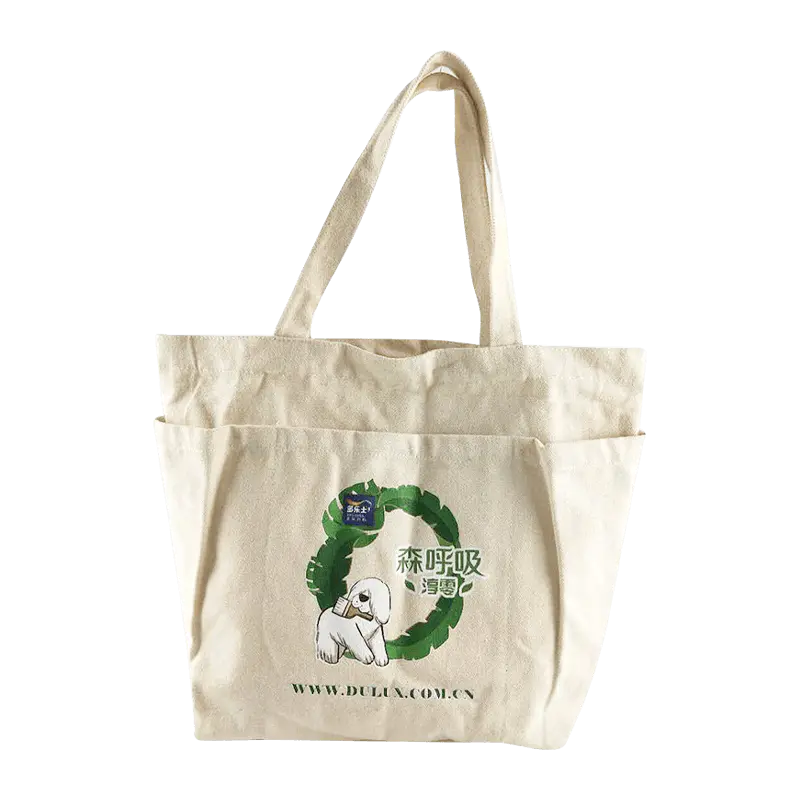
Businesses hand these out at events or as simple thanks because they keep working long after. Prints or logos ride around town turning the carrier into moving notice. Recipients gain something useful that stays around instead of heading to waste immediately.
This side works well when companies aim for steps customers actually notice and use.
How Often Should Bags Be Reused for Better Results?
Frequent trips move the balance along while occasional ones hold closer to even. Rotating a few for different needs like heavy loads versus light stops helps everything flow. Checking your pattern after some time often shows how reuse adds up faster than expected.
The trick sits in making it part of heading out rather than another task.
Care Practices That Extend Usability
A gentle wash when dirt shows refreshes the fabric without pushing the weave too hard. Air drying protects seams and holds colors steady. Rolling loosely after emptying avoids creases that wear spots over time.
These habits turn one carrier into something reliable across seasons.
Can Cotton Tote Bags Fit Various Lifestyle Needs?
Smaller ones slip into bags for corner store runs while bigger versions manage family hauls or park days. Personal touches make them feel owned or link them to group activities naturally. The options let them slide into busy weeks for solo trips or shared distributions.
Adaptability appears when days swing from weekday chores to weekend plans.
Steps for Making the Switch in Daily Routines
Keep extras where morning paths cross naturally. Set a spot for them after unpacking. Clean when soil appears to stay fresh. Share the idea with family or team members. Look back after weeks to adjust what fits.
Moves like these build without big disruptions yet show in what collects less in bins.
Environmental Awareness in Consumer Choices
Going for carriers that last brings thoughts about habits and the larger packaging web. Discussions drift often to how frequency shapes outcomes more than starting point. That view spills into skipping extra wraps or questioning automatic picks.
Many find the subject starts easy talks with friends on other daily swaps.
Brand Integration and Custom Options
Companies add messages that travel with users making the carrier part of quiet promotion. The practical nature means people grab it repeatedly instead of letting it sit. This mix fits directions where waste reduction feels real rather than stated.
Bags tend to live in cars or offices long after first giving.
Challenges in Shifting Established Habits
Forgetting during rushed exits still trips folks up. Store ease pulls when plans flip suddenly. Some places try reminders or small pushes until the new way feels ordinary.
Steady trying eventually makes reaching for the reusable the natural choice.
Long-Term Patterns in Waste Reduction
Regular use across groups trims plastic flow bit by bit as habits root. Change unfolds through offices events and homes connecting. Each steady pick links to wider retail packaging moves.
Patience with repeats pushes progress more than quick jumps.
Production Considerations for Cotton Versions
Farming and sewing follow set paths turning fiber into carriers for daily demands. Focus on handles and seams decides repeated load strength. Suppliers watch these so bags meet longer service hopes.
Details in build support extended real world usefulness.
Integration Into Retail Operations
Stores cut plastic while offering cotton that appeals to keeping. Staff slip reuse mentions into chats at checkout. Planning shifts as demand grows for durable choices.
The process touches front areas and stocking behind scenes alike.
Personal and Collective Benefits
Users note easier carrying from weight spread and space. Groups gain at events where waste drops visibly. The pick also starts light talks on broader daily decisions.
Extra layers stretch past the first waste worry.
Cotton tote bags handle single-use plastic issues by making room for repeated carrying over constant new buys. They mix into shopping promotions and ordinary movement creating shifts in carrying habits when people lean on them regularly. Production needs meet actual reuse frequency shaping their part in cutting waste. Businesses and everyday users consider these pieces when thinking through packaging changes and routine adjustments. Wenzhou Laoliu Environmental Eco Bag Co., Ltd. supplies options suited for different needs and welcomes inquiries about tailoring solutions to specific retail or promotional requirements while helping explore ways to support lasting shifts away from disposable patterns.