

 English
 Español
 عربى
عربى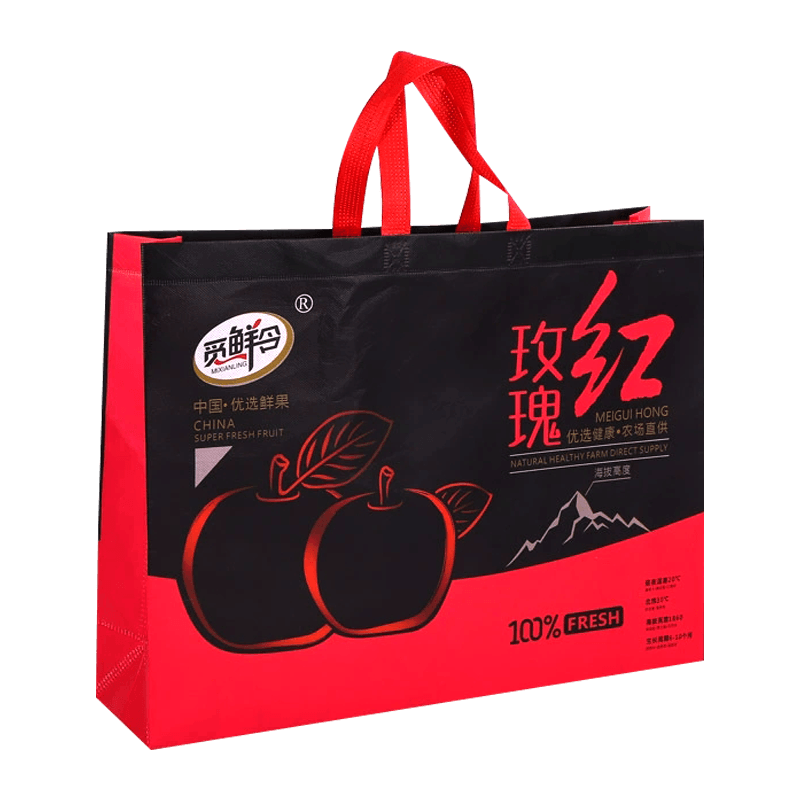
A trip to the grocery store is a routine part of life, yet it carries environmental impact that often goes unnoticed. Single-use plastic bags, though convenient, contribute to landfill waste and pollution. In response, many consumers and retailers are turning to Non Disposable Grocery Bags as a more responsible and practical solution.
These reusable bags are not just a trend. They represent a shift in mindset—one that connects daily habits with long-term sustainability.
Rethinking Convenience
For years, convenience meant grabbing plastic bags at checkout without a second thought. However, this convenience comes at a cost. Disposable bags tear easily, hold limited weight, and are often discarded after a single use.
Non Disposable Grocery Bags, on the other hand, are designed for repeated use. Made from materials such as canvas, woven polypropylene, or recycled fabrics, they can carry heavier loads and withstand regular wear. Over time, shoppers realize that bringing their own sturdy bags is not an inconvenience but a practical improvement.
Durability Meets Functionality
One reason Non Disposable Grocery Bags are gaining popularity is their durability. Reinforced handles, structured bottoms, and spacious interiors make them suitable for everything from fresh produce to bottled drinks. Unlike thin plastic bags that can stretch or break, reusable grocery bags provide stable support.
Many designs also include insulated linings for frozen or chilled items. This added functionality helps maintain food quality during transport, especially in warmer climates. By offering both strength and versatility, these bags become reliable companions for weekly shopping trips.
Environmental Responsibility in Action
The environmental benefits of Non Disposable Grocery Bags are significant. By reducing reliance on single-use plastics, consumers help decrease waste generation and resource consumption. Even small changes—like switching to reusable bags—can collectively reduce the number of plastic bags entering landfills or natural habitats.
Moreover, some manufacturers now produce reusable bags from recycled materials, further supporting circular economy practices. Choosing non disposable options encourages responsible production and consumption patterns.
Cost-Effective Over Time
Although reusable bags may require an initial purchase, they often prove cost-effective over time. Many grocery stores now charge for disposable bags, making reusable alternatives financially sensible.
A single set of Non Disposable Grocery Bags can last for years if properly maintained. Occasional washing and careful storage extend their lifespan, allowing shoppers to avoid repeated expenses associated with disposable options.
Branding and Personal Expression
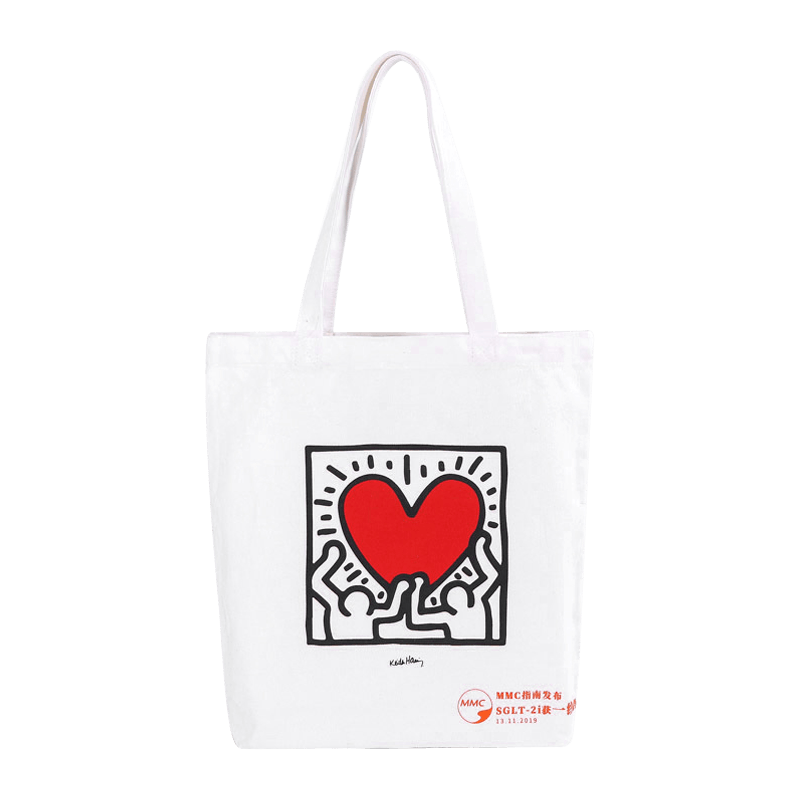
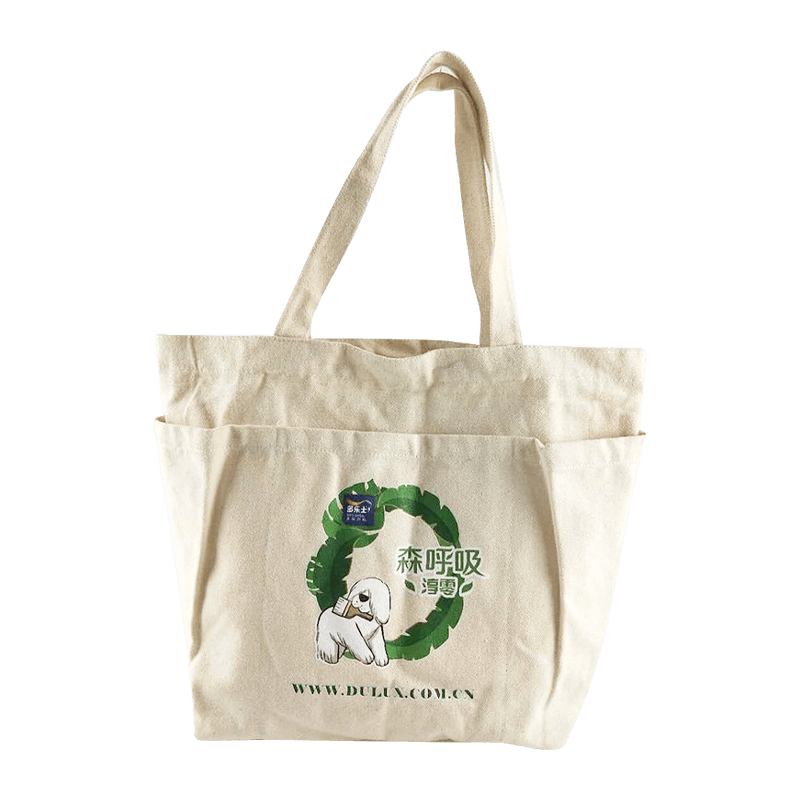
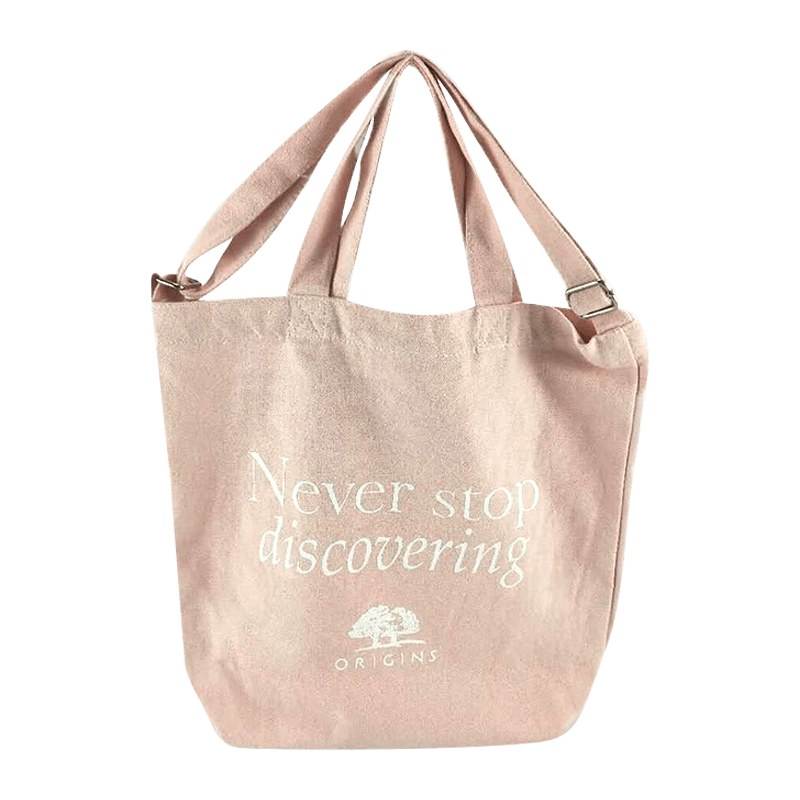
Retailers and brands also recognize the value of reusable grocery bags as marketing tools. Custom-printed Non Disposable Grocery Bags featuring logos, slogans, or creative designs serve both functional and promotional purposes. Customers carrying these bags effectively turn everyday errands into subtle brand exposure opportunities.
On a personal level, consumers can choose colors and styles that reflect their taste. Reusable bags are no longer purely practical—they are part of a lifestyle that values sustainability and individuality.
Building Sustainable Habits
Adopting reusable bags encourages broader sustainable habits. Once shoppers remember to carry Non Disposable Grocery Bags, they may also become more mindful about reducing packaging waste, selecting local products, or supporting eco-conscious brands.
This shift begins with a simple action but can expand into a larger awareness of environmental impact. Small, consistent choices often influence broader behavior patterns.
So, can non disposable grocery bags change everyday shopping habits? The answer lies in their combination of durability, practicality, and environmental responsibility. Non Disposable Grocery Bags provide a reliable alternative to single-use plastics, offering strength, cost savings, and sustainability in one simple solution.
By choosing reusable options, consumers contribute to reduced waste and more thoughtful consumption. Over time, these small decisions add up, shaping a shopping culture that values practicality and environmental awareness.