


 English
 Español
 عربى
عربى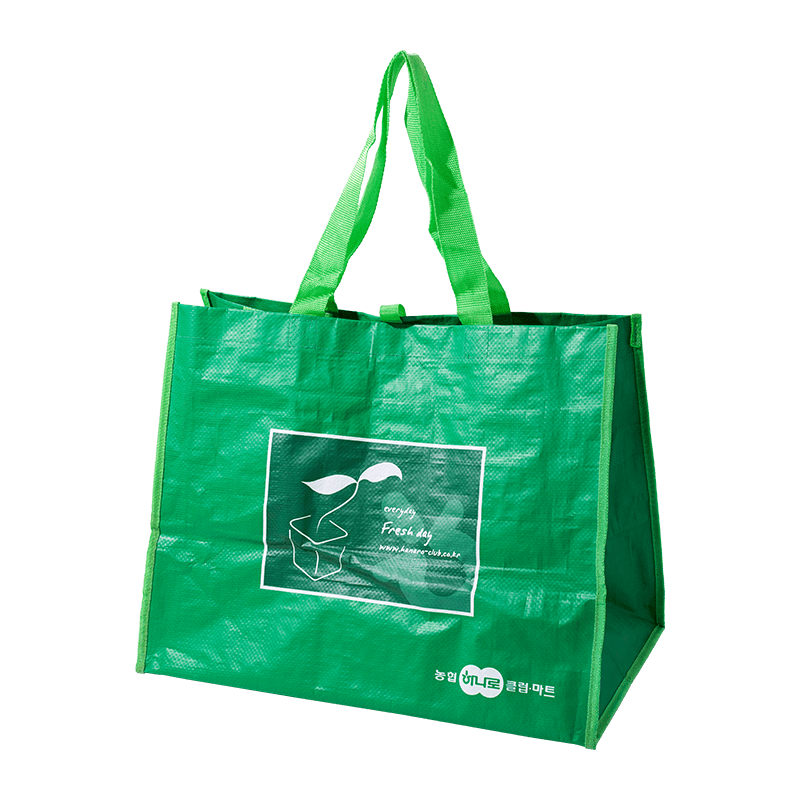
A simple trip to the grocery store often ends with a handful of plastic bags that are used once and then discarded. Over time, this routine adds up to significant waste. In response, Reusable Supermarket Bags have become an increasingly common sight at checkout counters. What seems like a minor shift in habit is gradually reshaping how people approach shopping, sustainability, and even personal organization.
From Convenience to Conscious Choice
Plastic bags were once seen as a symbol of convenience—lightweight, free, and readily available. However, their environmental impact has encouraged shoppers to rethink that convenience. Reusable Supermarket Bags offer an alternative that supports waste reduction without complicating the shopping process.
Many consumers now keep reusable bags in their cars, backpacks, or by the front door. This small act turns grocery shopping into a more deliberate practice. Instead of accepting single-use packaging automatically, shoppers make a choice that aligns with broader environmental values.
Durability Meets Practical Design
One reason Reusable Supermarket Bags have gained popularity is their durability. Unlike thin plastic bags that tear under heavy loads, reusable versions are made from materials such as non-woven polypropylene, cotton, or recycled fabrics.
These materials allow the bags to carry heavier items—like canned goods or fresh produce—without breaking. Reinforced stitching and sturdy handles further enhance reliability. Some designs even include foldable structures, insulated linings, or compartments for separating items.
The result is not just a replacement for plastic, but an upgrade in functionality.
Environmental Impact Beyond the Checkout
The environmental benefit of Reusable Supermarket Bags goes beyond reducing visible waste. Plastic bags often end up in landfills or waterways, where they persist for years. By contrast, a single reusable bag can replace hundreds of disposable ones over its lifespan.
This shift reduces resource consumption and decreases the demand for single-use plastics. When more shoppers adopt reusable options, the cumulative effect becomes meaningful. It demonstrates how everyday habits can contribute to broader environmental goals.
Economic and Community Influence
In some regions, supermarkets charge fees for plastic bags, encouraging customers to bring their own. As a result, Reusable Supermarket Bags can also help shoppers save money over time.
Beyond individual savings, this practice fosters a sense of shared responsibility within communities. Seeing others bring reusable bags reinforces positive behavior and normalizes sustainable shopping habits.
Local governments and retailers have also embraced reusable bag campaigns, using them as promotional tools or distributing branded versions to encourage participation.
Style and Personal Expression
Interestingly, reusable bags have evolved from plain utility items into fashion statements. Many brands now offer colorful designs, artistic prints, and customizable options. Reusable Supermarket Bags are no longer hidden away after shopping; they reflect personal taste and lifestyle choices.
This transformation adds an element of enjoyment to an otherwise routine task. Carrying a thoughtfully designed bag can feel intentional and expressive, rather than purely practical.
Building a Sustainable Routine
Adopting reusable bags requires consistency. Forgetting them at home can disrupt the habit. To address this, many shoppers keep extra bags folded in their vehicles or near entryways as reminders.
Over time, bringing reusable bags becomes second nature. It integrates smoothly into daily life, reinforcing the idea that sustainability does not require drastic changes—just small, repeated actions.
Reusable Supermarket Bags represent more than an eco-friendly accessory. They reflect a shift in mindset toward conscious consumption, durability, and community responsibility. By replacing disposable options with long-lasting alternatives, shoppers reduce waste while improving convenience and style.
In the broader picture, this simple habit shows how collective action can emerge from everyday routines. What begins as a practical solution at the checkout counter can evolve into a meaningful contribution to environmental awareness and sustainable living.