

 English
 Español
 عربى
عربىIn recent years, there has been a growing awareness of environmental issues, and reducing single-use plastic has become a priority for many consumers. Reusable Supermarket Bags provide a practical solution for shopping while minimizing plastic waste. Their convenience, durability, and eco-friendly nature make them an increasingly common choice in households, grocery stores, and markets worldwide.
Reusable supermarket bags are designed to replace disposable plastic bags during shopping trips. They are usually made from durable materials such as non-woven polypropylene, cotton, canvas, or recycled fabrics. These materials allow the bags to carry heavy groceries without tearing or stretching.
A high-quality Reusable Supermarket Bag is easy to clean, foldable, and can be used multiple times, offering both convenience and sustainability. Many models feature reinforced handles and spacious interiors, making them suitable for various types of groceries, from fresh produce to packaged goods.
Environmental Benefits
The environmental impact of single-use plastic bags is significant. They contribute to landfill waste, marine pollution, and wildlife hazards. By switching to Reusable Supermarket Bags, consumers can reduce their ecological footprint. Each bag can replace hundreds of disposable bags over its lifetime, resulting in less plastic ending up in the environment.
Additionally, many reusable bags are made from recyclable or biodegradable materials, further supporting eco-friendly practices. Choosing these bags encourages sustainable shopping habits and raises awareness about the importance of reducing plastic consumption.
Durability and Practicality
Durability is a key feature of Reusable Supermarket Bags. Unlike single-use plastic bags, these bags are designed to withstand heavy loads and repeated use. Materials like woven polypropylene and canvas provide strength, while reinforced stitching ensures that the bags maintain their shape over time.
The practicality of reusable bags extends beyond grocery shopping. They can be used for carrying books, clothing, picnic items, or personal belongings, making them versatile for everyday use. Their lightweight design also allows for easy storage in a car or handbag.
Design and Customization
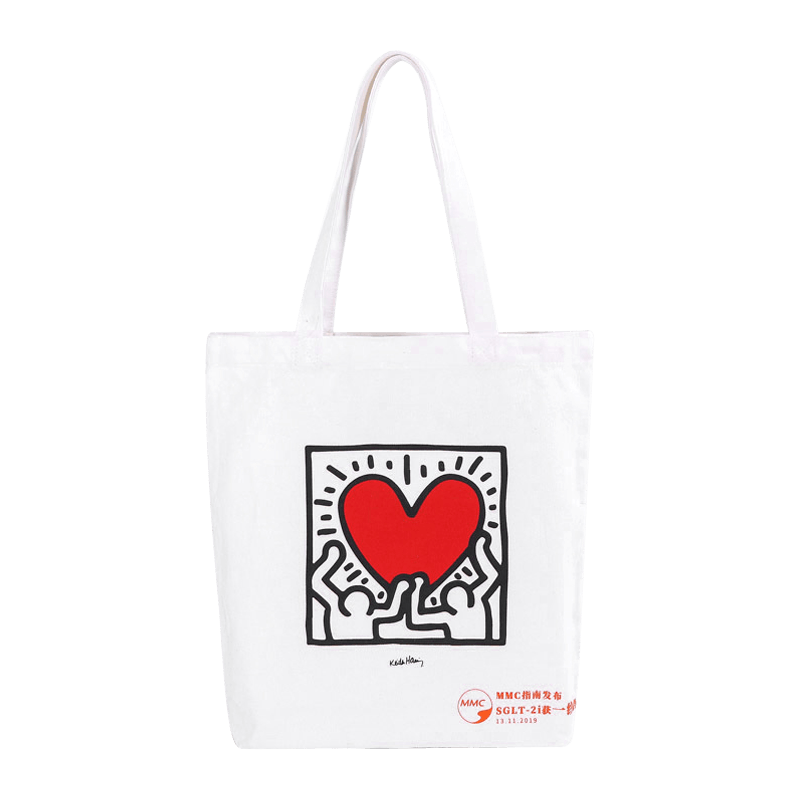
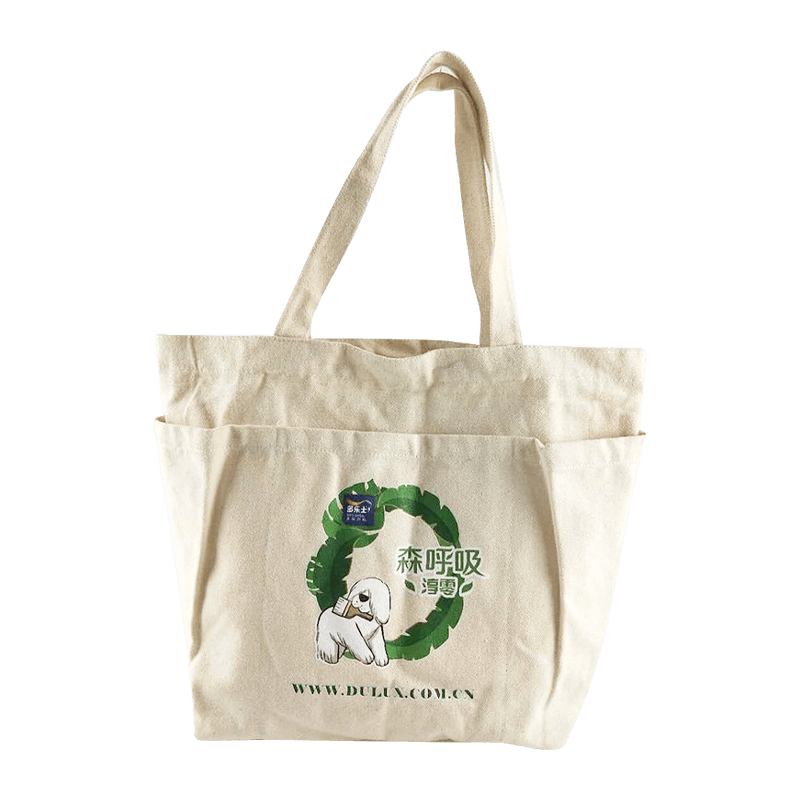
Many manufacturers offer customizable Reusable Supermarket Bags with various colors, patterns, and branding options. Businesses can use them for promotional purposes, printing logos or messages on the bags while encouraging eco-friendly practices. For households, reusable bags come in a variety of sizes and styles to suit different preferences and shopping needs.
Maintenance and Longevity
Maintaining reusable supermarket bags is simple. bags can be hand-washed or machine-washed, depending on the material. Regular cleaning prevents odors and ensures that the bags remain hygienic for carrying food items. Proper care can extend the life of Reusable Supermarket Bags, making them a practical long-term solution for reducing plastic waste.
Choosing the Right Bag
When selecting a Reusable Supermarket Bag, consider material, size, and design. Non-woven polypropylene is lightweight and water-resistant, while cotton or canvas offers eco-friendly natural options. Choosing bags with sturdy handles and reinforced bottoms ensures they can carry heavy groceries safely.
Working with reliable manufacturers or suppliers ensures consistent quality and long-lasting performance. Some suppliers also offer eco-certified bags, providing additional assurance for environmentally conscious consumers.
Reusable Supermarket Bags combine practicality, durability, and environmental benefits, making them a smart alternative to disposable plastic bags. By understanding the materials, maintenance, and design options available, consumers can select bags that meet their daily shopping needs while contributing to sustainability. Incorporating reusable bags into everyday life not only reduces plastic waste but also promotes more responsible and eco-friendly shopping habits.