

 English
 Español
 عربى
عربى
In recent years, environmental awareness has encouraged consumers to adopt more sustainable habits. One noticeable shift is the increased use of reusable supermarket bags. These bags offer a practical alternative to single-use plastic bags, helping reduce waste while providing convenience for everyday shopping.
1. Understanding Reusable Supermarket Bags
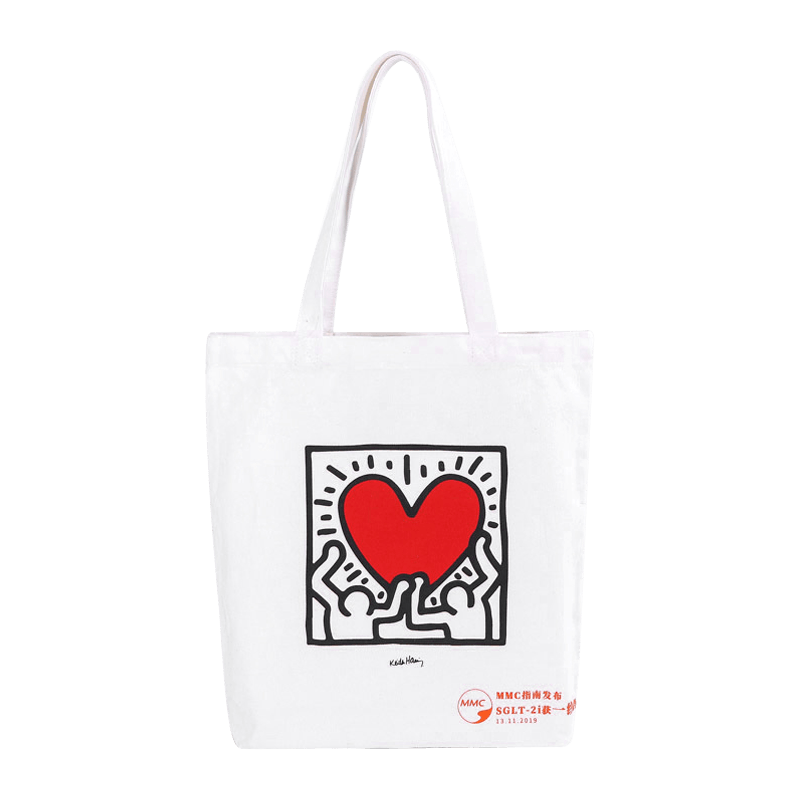
Reusable supermarket bags are designed to carry groceries multiple times without tearing or losing shape. Unlike disposable plastic bags, these bags are made from durable materials such as non-woven polypropylene, cotton, jute, or recycled fabrics. Their sturdy construction allows shoppers to carry heavier items safely, reducing the risk of damage during transport.
By using reusable bags consistently, shoppers can cut down on plastic waste, contributing to a cleaner environment and more sustainable consumer practices.
2. Environmental Benefits
The environmental advantages of reusable supermarket bags are significant. Plastic bags are a major contributor to landfill waste and ocean pollution. Switching to reusable alternatives reduces the demand for single-use plastics, lowering overall environmental impact.
Key benefits include:
- Reduced plastic waste: Each reusable bag can replace hundreds of disposable bags over its lifetime.
- Conservation of resources: Durable materials can often be recycled or repurposed.
- Support for eco-friendly initiatives: Many retailers encourage the use of reusable bags through incentive programs.
The cumulative effect of millions of shoppers choosing reusable bags can help mitigate pollution and protect wildlife.
3. Practical Features of Reusable Bags
Reusable supermarket bags offer practical advantages for consumers. These include:
- Durability: Can carry heavier groceries without tearing.
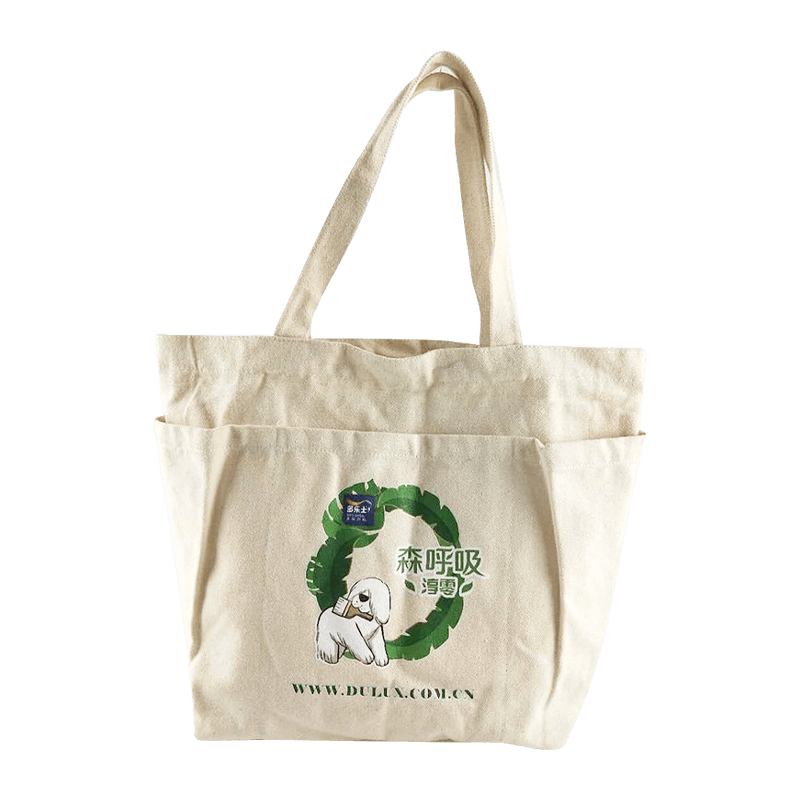
- Spacious design: Larger compartments allow for organized packing.
- Comfortable handles: Padded or reinforced handles reduce strain on hands.
- Easy to clean: Many materials can be washed or wiped for repeated use.
These features make reusable bags a convenient choice for daily shopping trips, accommodating both heavy and bulky items.
4. Customization and Retail Opportunities
Retailers often provide reusable supermarket bags that feature logos, promotional messages, or attractive designs. This creates opportunities for branding while encouraging eco-friendly habits. Customers may be more likely to return to stores that provide stylish, functional bags, reinforcing both loyalty and sustainability practices.
5. Consumer Considerations
When choosing reusable supermarket bags, shoppers should consider factors such as:
- Material type: Choose a bag suited to your shopping needs and durability expectations.
- Size and capacity: Ensure the bag fits your typical grocery load.
- Foldability and storage: Lightweight bags that fold easily are convenient for carrying in a purse or car.
- Maintenance: Check if the bag is machine washable or easy to clean.
These considerations ensure that the reusable bag remains functional, hygienic, and long-lasting.
6. Promoting Sustainable Shopping Habits
Incorporating reusable supermarket bags into everyday routines helps promote broader sustainability. Consumers who consistently use these bags often become more conscious of other eco-friendly choices, such as reducing food waste or choosing recyclable packaging. Retailers can support this habit by offering discounts for customers who bring their own bags or running campaigns highlighting the environmental impact of single-use plastics.
Reusable supermarket bags are practical, durable, and environmentally friendly alternatives to disposable plastic bags. By choosing reusable bags, shoppers reduce plastic waste, conserve resources, and enjoy the convenience of sturdy, spacious carrying options. Whether for personal use or promotional purposes, reusable bags support sustainable shopping habits while providing functional benefits for everyday life.