

 English
 Español
 عربى
عربى
In recent years, reusable supermarket bags have become increasingly common in households and retail settings. These bags offer a practical alternative to single-use plastic bags, providing durability, convenience, and a smaller environmental footprint.
Advantages of Reusable Supermarket Bags
Reusable supermarket bags are designed for multiple uses, making them more durable than conventional plastic bags. They can carry heavier items without tearing, resist moisture, and often include features like reinforced handles and foldable designs for easy storage. For retailers, offering reusable bags helps reduce plastic waste and promotes a more sustainable image.
These bags also provide a practical way for consumers to organize their groceries. They can separate fruits, vegetables, and other products, reducing the risk of damage and making shopping trips more efficient.
Materials and Construction
The construction and material choice are key factors in the performance of reusable supermarket bags. Common materials include non-woven polypropylene, cotton, jute, canvas, and recycled PET. Non-woven polypropylene is lightweight and water-resistant, while natural fibers like cotton or jute are biodegradable and more eco-friendly. Bags made from recycled PET combine durability with environmental benefits.
Reinforced stitching, double-layer bottoms, and strong handles are standard features in well-made reusable supermarket bags. Some designs include inner compartments or gussets to improve load distribution and balance heavier items more effectively.
Manufacturing and Design Variations
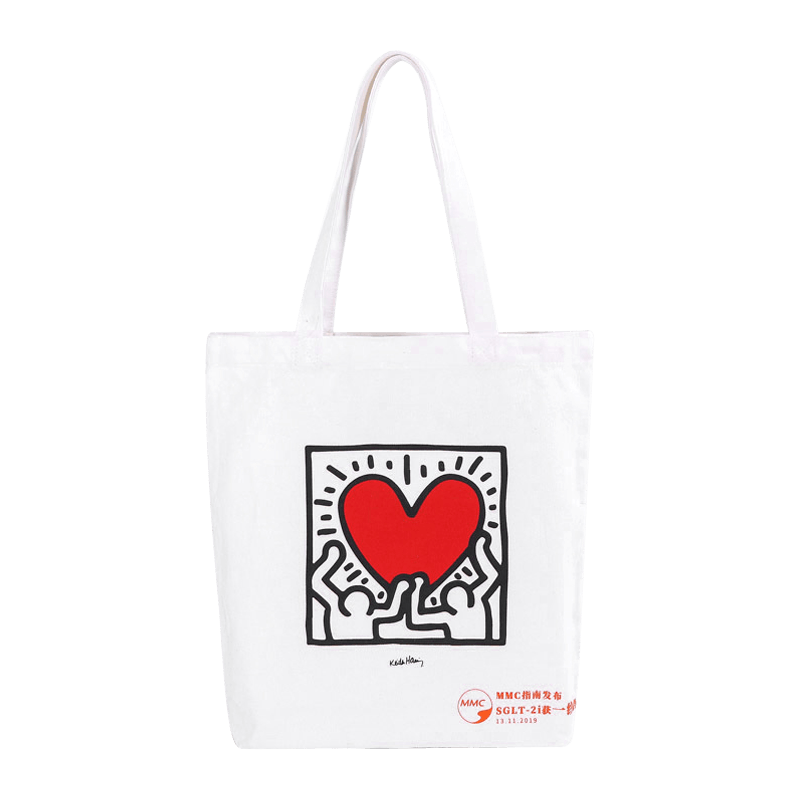
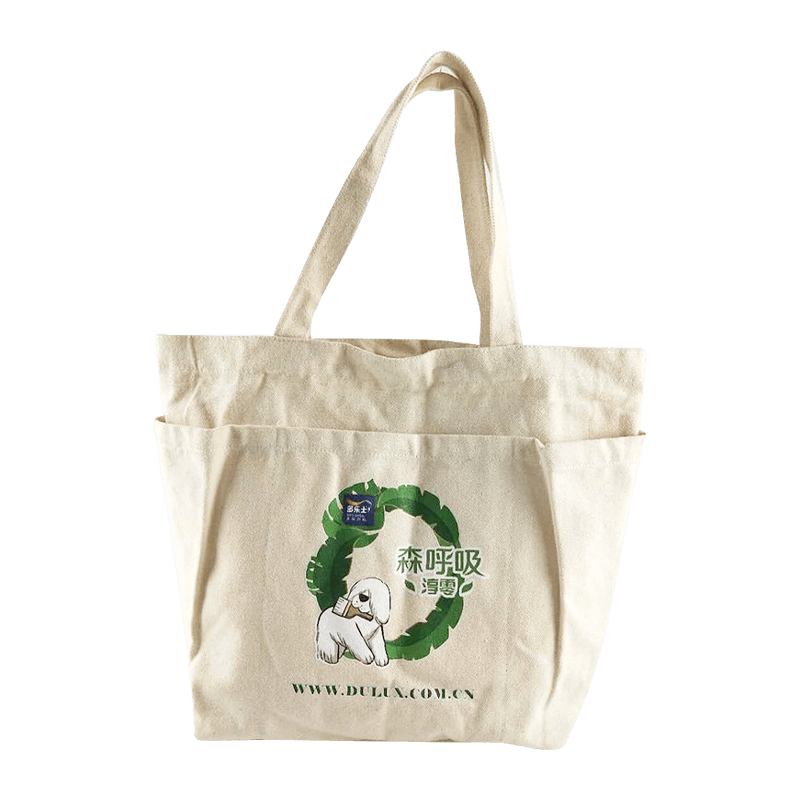
Reusable supermarket bags come in a variety of sizes, shapes, and styles. Retailers can choose standard bags for general use or customize bags with logos, colors, and promotional designs. This customization allows stores to reinforce brand identity while encouraging shoppers to adopt environmentally friendly practices.
Manufacturers produce these bags using cutting, stitching, and sometimes heat-sealing methods depending on the materials. Quality control ensures consistent size, stitching strength, and durability, providing shoppers with reliable products.
Environmental and Social Impact
One of the notable benefits of reusable supermarket bags is their contribution to reducing single-use plastics. By replacing disposable bags with reusable alternatives, households and stores reduce waste, helping to alleviate environmental pollution.
Many consumers also prefer reusable bags because they signal conscious lifestyle choices. Retailers using branded reusable bags can appeal to eco-conscious customers while promoting community awareness around sustainable shopping practices.
Practical Tips for Consumers
To maximize the benefits of reusable supermarket bags, consumers should consider size, material, and storage options. A mix of bag types can be useful: lightweight bags for small items and stronger, reinforced bags for heavier groceries. Regular cleaning of fabric or non-woven bags helps maintain hygiene and prolongs lifespan.
Reusable supermarket bags can also be used beyond groceries, serving as storage for household items, gym gear, or travel supplies. Their versatility makes them a practical investment for day-to-day life.
Reusable supermarket bags offer a sustainable, convenient, and versatile solution for carrying groceries and organizing household items. Through thoughtful material choice, durable construction, and functional design, these bags provide reliable performance while helping reduce single-use plastic consumption. Understanding their benefits and applications helps consumers and retailers make more conscious choices, supporting both practical needs and environmental responsibility.