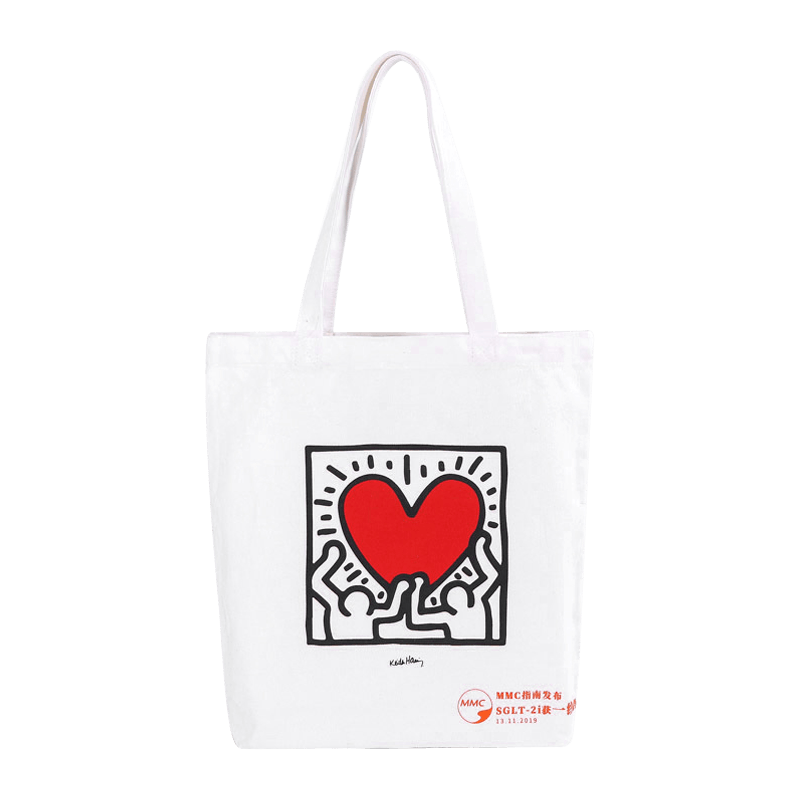
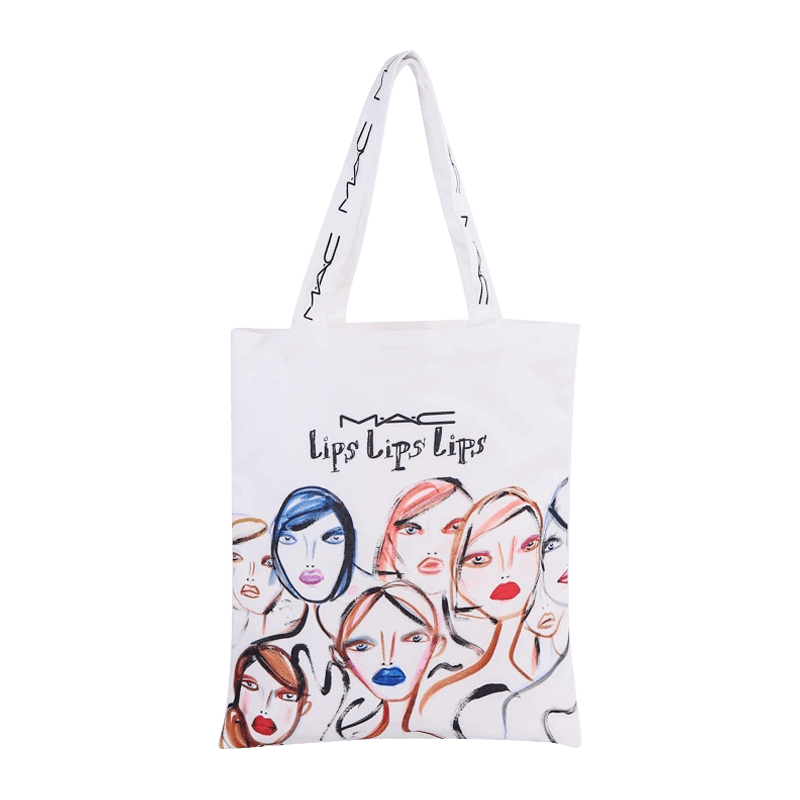
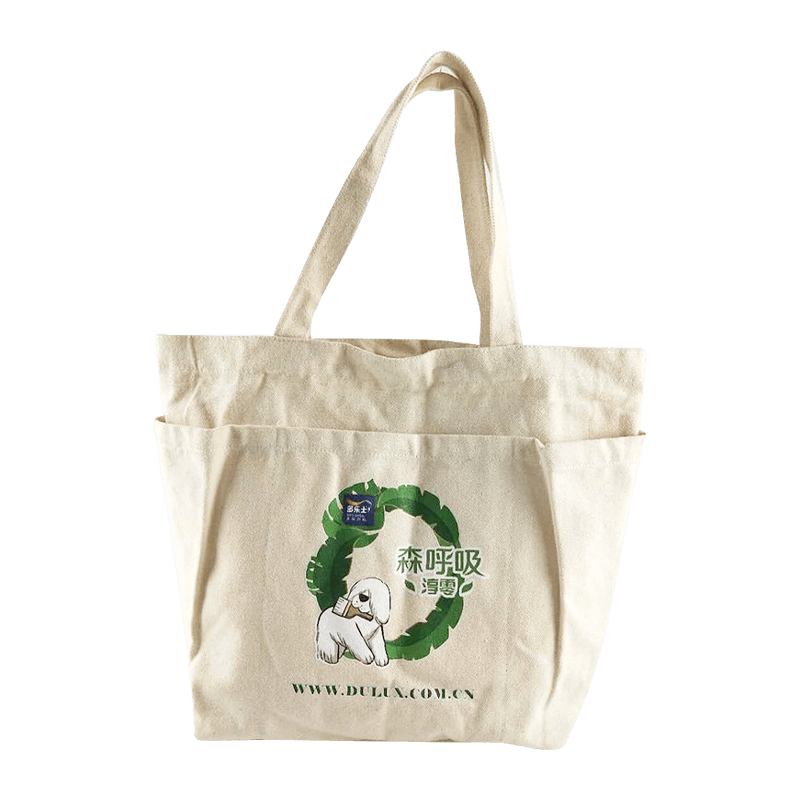
Choosing between a Foldable Cotton Tote Bag and a polyester reusable bag is a decision that sits at the intersection of material science, consumer perception, and commercial practicality. Procurement teams who default to one material across all applications often end up with product that underperforms in the field — cotton bags deployed where water resistance matters, polyester bags handed out where natural material perception is part of the brand story. Getting the choice right requires understanding what each material actually delivers in use, not just on a specification sheet.
What Cotton and Polyester Bring to the Bag Category
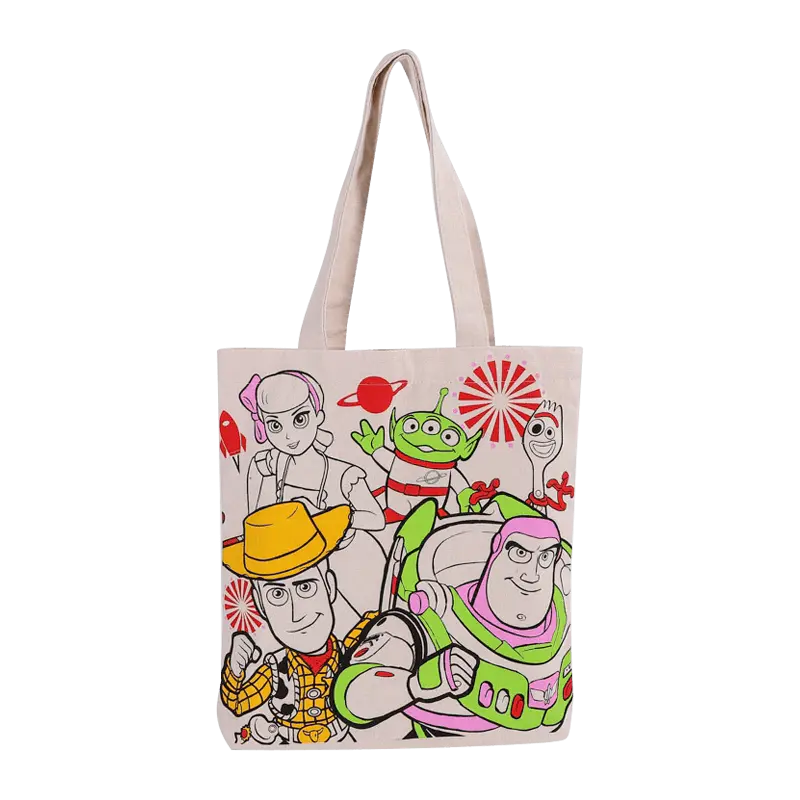
Cotton: The Material Whose Reputation Precedes It
Cotton's commercial appeal in the reusable bag category has as much to do with perception as performance. Consumers who see a cotton tote understand intuitively that it is a natural material — they can feel the difference when they pick it up, and that tactile confirmation of naturalness carries brand value that synthetic alternatives struggle to replicate.
The functional properties that support this perception:
- Cotton fabric breathes, which matters for bags used to carry fresh produce, bread, or anything that benefits from air circulation during transit
- The surface accepts screen printing, embroidery, and heat transfer with equal reliability — the print sits in the fabric rather than on top of it, which affects how it holds up after repeated washing
- Cotton handles machine washing without pilling, shrinking significantly, or losing structural integrity, provided the construction quality is adequate
- The weight and drape of a cotton bag communicates substance in a way that lighter synthetics do not — it feels intentional rather than disposable
None of this means cotton is without limitations. It absorbs moisture rather than shedding it, which creates problems in outdoor or wet-market contexts. It costs more per unit than polyester at equivalent quality levels. And it folds to a larger profile than polyester, which affects how it performs in compact carry applications.
Polyester: Functional Where Cotton Is Aesthetic
Polyester solves problems that cotton cannot. Its fiber structure does not absorb water, which means a polyester bag can be wiped down rather than washed, used in rain without becoming heavy and slow-drying, and deployed in applications where cotton would absorb stains and odors that require full laundering to remove.
The properties that make polyester commercially relevant:
- Light weight per unit of carrying capacity — a polyester bag that holds the same load as a cotton equivalent will almost always weigh less
- Compact folded profile — polyester fabric compresses and rolls more aggressively than cotton, which is why pocket-sized and roll-up bag formats are almost exclusively synthetic
- Color range — polyester accepts dye across a very wide spectrum, producing vivid colors at lower dye cost than cotton in many cases
- Resistance to abrasion — the synthetic fiber structure holds up to repeated surface contact without the surface wear that eventually affects woven cotton
The perception limitation is real, though. In markets where consumers care about what their bag is made of — and those markets are growing — polyester carries a synthetic connotation that cotton does not. Promotional bags in polyester can feel like cost-cutting rather than brand investment, regardless of actual quality.
Side-by-Side: Where the Differences Actually Matter
The comparison below covers the dimensions that drive most sourcing and specification decisions in the reusable bag category.
| Factor |
Foldable Cotton Tote Bag |
Polyester Reusable Bag |
| Material origin |
Natural plant fiber |
Synthetic petroleum-derived |
| Weight |
Heavier per unit of capacity |
Lighter for equivalent capacity |
| Folded pack size |
Larger — less compact |
Compact — rolls or folds smaller |
| Water resistance |
Low — absorbs moisture |
High — repels surface moisture |
| Texture and feel |
Soft, natural, tactile |
Smooth, sometimes slippery |
| Environmental perception |
Strongly positive |
Moderate — synthetic association |
| End-of-life biodegradability |
Yes |
No |
| Machine washability |
Strong — fabric handles repeat wash |
Good — retains shape |
| Print quality |
Screen print, embroidery, heat transfer |
Sublimation, heat transfer |
| Unit cost |
Higher |
Lower |
| Perceived brand value |
High — premium association |
Functional — practical association |
| Compact carry suitability |
Moderate |
High |
| Moisture-prone applications |
Poor fit |
Good fit |
Reading this table, the pattern is clear enough: cotton leads where brand perception and natural material feel are the objective; polyester leads where function, portability, and cost drive the decision. The mistake is applying either material uniformly across all applications without asking which dimension matters most for each use case.
Matching Material to Application
When Cotton Is Stronger
The Foldable Cotton Tote Bag earns its place in applications where the bag is doing communicative work — where who made it, what it is made of, and how it feels in the recipient's hands are part of what the buyer is paying for.
- Retail carry bags for food, wellness, and lifestyle brands: The natural material aligns with the brand's product category in a way that polyester does not; a cotton tote from a farmers market or an organic food brand reinforces the purchase rather than contradicting it
- Branded merchandise for events and organizations: A cotton tote that recipients keep and use for months after an event continues delivering brand exposure; a cheaper synthetic alternative is more likely to end up unused
- Women's everyday tote bags: The combination of washability, print quality, and comfortable carry makes cotton the natural material for bags used across multiple daily contexts
- Gift and premium packaging contexts: When the bag itself is part of a gift or a premium unboxing experience, cotton's weight and feel communicate quality in a way that polyester cannot match
When Polyester Earns It
Polyester is not a compromise choice — it is the correct material for a specific set of applications where its properties are genuine advantages rather than acceptable trade-offs.
- Travel carry and outdoor use: Water resistance, light weight, and compact fold make polyester the practical specification for bags that will be used in variable weather or packed into luggage
- High-volume promotional distribution where budget is the constraint: When the goal is putting a bag in the hands of a large audience at low per-unit cost, polyester allows broader distribution for the same budget
- Wet market and fresh produce contexts: A bag used for washing vegetables, carrying damp produce, or used near water benefits from polyester's resistance to moisture absorption
- Roll-up and pocket-format bags: The compact fold that defines this format category is only achievable consistently in synthetic materials
Women's Cotton Tote Bags: How Daily Use Shapes the Specification
Women's Cotton Tote Bags have developed into a distinct product category within the broader tote market, characterized by design details and construction choices that reflect how these bags are actually used — as multi-context daily carry items that move between grocery shopping, the office, casual social settings, and errands within a single day.
The specification decisions that matter for this category:
- Handle length and construction: Handles need to be long enough for shoulder carry while also functional for hand carry — the transition between the two is a daily reality for most users, and handles that work well for only one mode generate frustration
- Internal organization: A flat interior space works for some applications; users who carry work items, personal effects, and shopping simultaneously benefit from internal pockets or a structured base
- Print or embroidery placement: Design elements that look balanced when the bag is laid flat may shift significantly when the bag is filled and carried — visual testing at capacity is worth the effort
- Fabric weight: Lighter cotton has less structure and more drape; heavier canvas has more body but more weight — the choice affects how the bag looks and feels across its full range of carry contexts
Canvas bags — a heavier weave of cotton — are frequently specified for this category precisely because the additional fabric weight provides structure that lighter cotton cannot achieve, at the cost of higher unit weight and slightly higher material cost.
OEM Cotton Tote Bag Production: What Custom Manufacturing Involves
An OEM Cotton Tote Bag order is a specification-driven production run rather than a selection from an existing range. The buyer defines what the bag is — fabric weight, weave type, handle configuration, dimensions, color, print method, artwork, label, packaging — and the factory produces to that specification.
What OEM Production Enables
- Fabric selection matched to the buyer's specific durability, feel, and weight targets rather than what happens to be in stock
- Color matching to brand standards, including colors that are not available in standard production runs
- Structural customization — handle length, gusset configuration, internal pockets — that addresses the specific use case rather than compromising to fit a standard template
- Private label integration as part of production rather than as a separate process
What OEM Production Requires
- Clear and complete specifications before production begins — ambiguity in specifications creates expensive rework
- Adequate lead time for material procurement, sample production, approval, and full production run completion
- A sample review and approval process before committing to full production — skipping this step to save time is a common source of quality problems that are discovered after the full run has been produced
- A clear minimum order quantity discussion — custom production has setup costs that require minimum volumes to be commercially viable for the factory
Working With a Canvas Bags Factory
A canvas bags factory producing for export markets typically handles a range from lightweight cotton totes through heavy canvas constructions, with in-house or closely managed subcontracted printing and embroidery capability. The relevant question is not whether a factory can produce a cotton tote bag — most can — but whether its specific capabilities match the buyer's specification requirements.
Fabric Sourcing
Whether fabric sourcing is stable and traceable — buyers in markets with organic or fair-trade certification requirements need documentation that starts with the raw material, not at the factory gate.
Print Methods
What print methods are handled in-house versus sent to subcontractors — in-house printing generally produces more consistent quality and fewer communication gaps than subcontracted finishing.
Quality Control
How quality control is managed at each production stage — inspection at fabric receipt, cut piece inspection, and pre-shipment finished goods inspection are distinct control points that not all factories maintain consistently.
Market Experience
Whether the factory has experience with the specific requirements of the buyer's target market — export compliance, labeling requirements, and packaging standards vary across markets.
A factory relationship that starts with a well-specified sample request, proceeds through a clear approval process, and establishes quality expectations in writing before production commitment consistently produces better outcomes than relationships that skip these steps in the interest of speed.
The Sustainability Question: Cotton vs Polyester
The marketing narrative around reusable bags positions them as sustainable alternatives to single-use plastic, and both cotton and polyester bags carry that positioning. But the environmental comparison between the two materials is genuinely complicated, and buyers who need to communicate sustainability credentials should understand what the comparison actually involves.
Cotton cultivation is resource-intensive — water use in conventional cotton farming is substantial, and pesticide use in non-organic production creates soil and water quality concerns. Organic cotton addresses the input concerns but at higher cost and with certification requirements that add supply chain complexity.
Polyester is derived from petroleum and does not biodegrade at end of life. Washing polyester fabrics releases microplastics into water systems — a concern that has grown in prominence as understanding of microplastic distribution has developed. Recycled polyester addresses the petroleum origin concern but does not resolve the microplastic issue.
The Practical Implication for Buyers
- A cotton bag used many times over several years has a lower environmental impact per use than either a single-use plastic bag or a cotton bag discarded after minimal use
- The material choice matters, but so does the product's actual use life — a high-quality bag that recipients keep and use is more sustainable than a cheap alternative that is discarded quickly regardless of what it is made of
- Organic and recycled material certifications add credibility to sustainability claims but require supply chain verification that not all production partners can provide
The choice between a Foldable Cotton Tote Bag and a polyester reusable bag is ultimately a function of what the bag needs to do, for whom, in what conditions, and what message it needs to carry. Neither material is universally appropriate, and the sourcing decision benefits from a clear application brief rather than a general preference for one material over the other. For buyers developing custom specifications or evaluating OEM production options across both material categories, working with a supplier who understands the full range and can advise on specification choices based on application context produces consistently better outcomes than selecting from a catalog without that support.
About the Manufacturer
Wenzhou Laoliu Environmental Eco Bag Co., Ltd. manufactures reusable bags in cotton, canvas, and polyester across a range of constructions and OEM customization options for retail, promotional, and branded merchandise applications. For sourcing teams evaluating material options or developing custom production specifications, reaching out with application requirements and order volume is a practical first step.



 English
 Español
 عربى
عربى