

 English
 Español
 عربى
عربىDrawstring Bags have become a simple yet flexible packaging and carrying solution across different daily scenarios. Their structure is based on a lightweight fabric body with a closure system that uses a drawstring to secure contents. This straightforward design allows them to be used in retail, sports, travel, and promotional activities without adding complexity.
Material Choices and Construction
The production of Drawstring Bags usually involves materials such as polyester, cotton, nylon, or non-woven fabric. Each material serves different usage needs. For example, polyester offers a balance between durability and weight, while cotton provides a softer feel suitable for casual use.
The stitching process is also important. Reinforced seams are often added at stress points like the corners and drawstring channels. This helps the bag handle repeated pulling and carrying without easily wearing out.
Everyday Function and Usability
One of the reasons Drawstring Bags are widely used is their simple structure. Users can open and close them quickly by pulling the cords, making them suitable for situations where frequent access is needed.
They are often used for carrying gym clothes, school items, or small travel essentials. Because they are lightweight, they can also be folded and stored easily when not in use. This makes them practical for users who prefer compact storage solutions.
Customization and Branding Potential
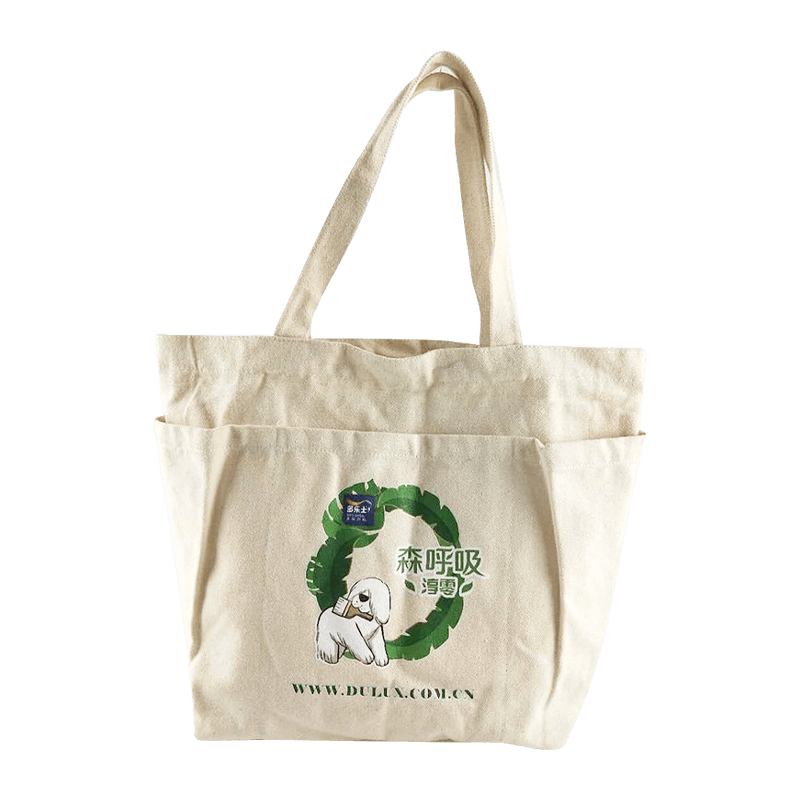
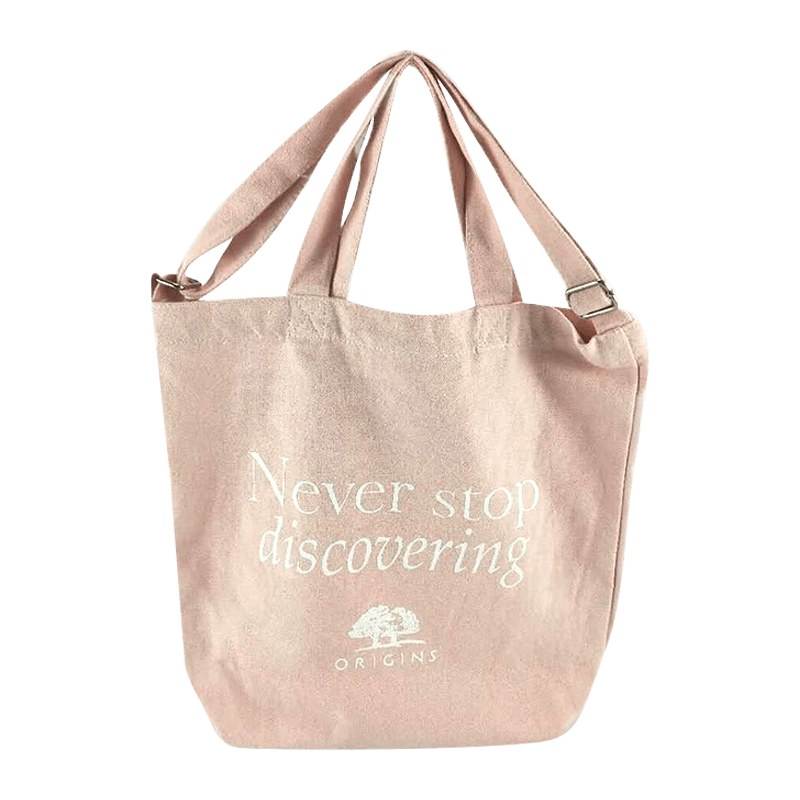
In commercial use, Drawstring Bags are frequently chosen for branding purposes. Their flat surface allows space for printed logos, slogans, or simple graphics. This makes them useful in promotional campaigns, event giveaways, and retail packaging.
A Drawstring Bags supplier can adjust colors, sizes, and printing methods based on client requirements. Screen printing, heat transfer, and embroidery are common techniques used to display brand identity on the surface.
Role in Retail and Packaging
Retail businesses often use Drawstring Bags as an alternative to disposable packaging. Instead of single-use plastic bags, these reusable options provide a more durable way to carry purchased items.
In some cases, they are included as part of product bundles or gift sets. The bag itself becomes part of the overall presentation, adding functional value without requiring complex packaging design.
Sports and Travel Applications
In sports environments, Drawstring Bags are commonly used for storing shoes, towels, and workout clothing. Their lightweight structure makes them easy to carry before and after training sessions.
For travel, they can be used as secondary storage inside larger luggage. Items such as toiletries, chargers, or small accessories can be organized separately, helping keep belongings structured during movement.
Production Considerations
Manufacturing Drawstring Bags involves cutting, stitching, string installation, and quality inspection. Each step affects the final usability of the product. For example, the strength of the drawstring and the smoothness of the cord channel can influence user experience.
Factories often produce multiple sizes within the same production line. This allows different market needs to be met without changing the overall production setup significantly.
Drawstring Bags offer a practical balance of simplicity and adaptability. Their lightweight design, flexible usage, and customization options make them suitable for both personal and commercial applications. As demand for reusable and multi-purpose packaging continues across different industries, their role remains steady in everyday carry solutions.