

 English
 Español
 عربى
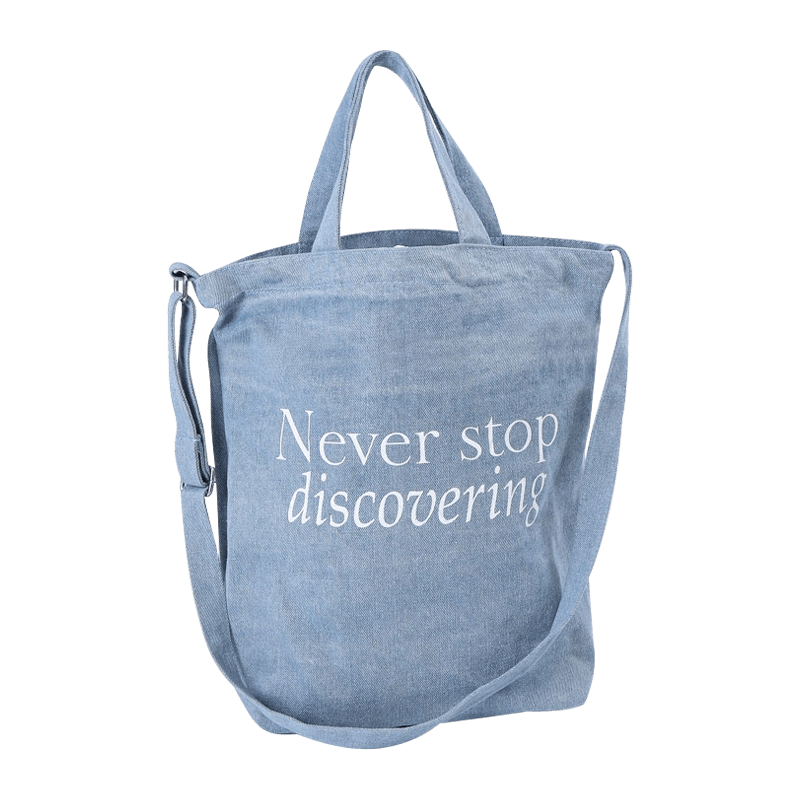
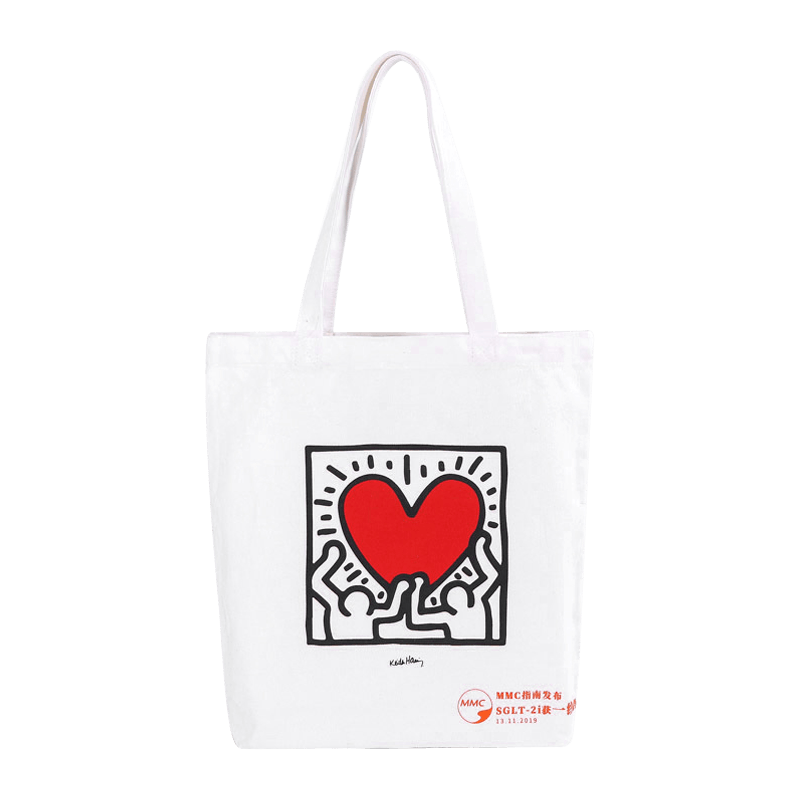
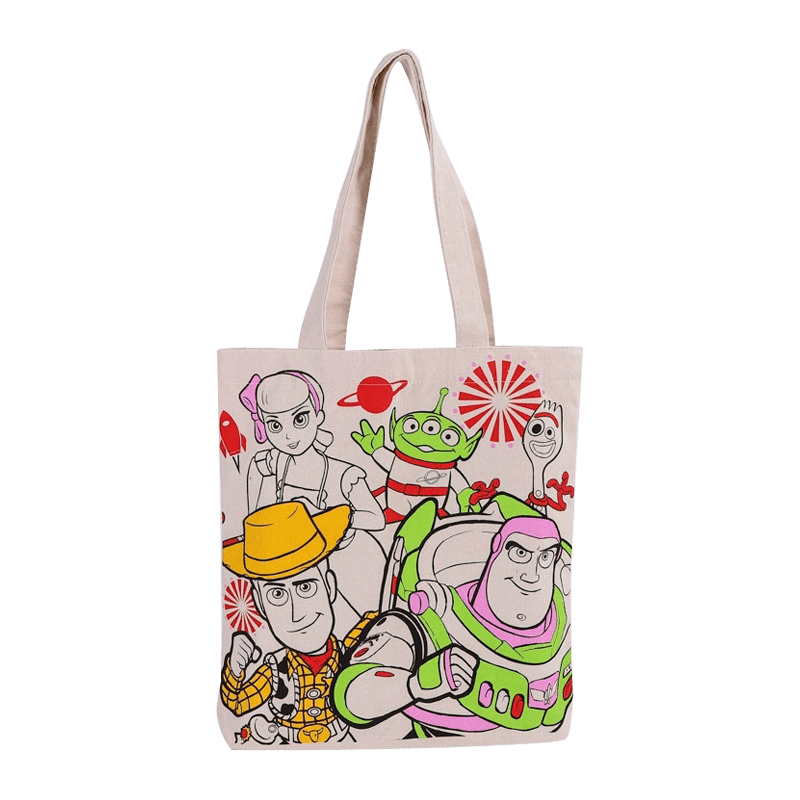
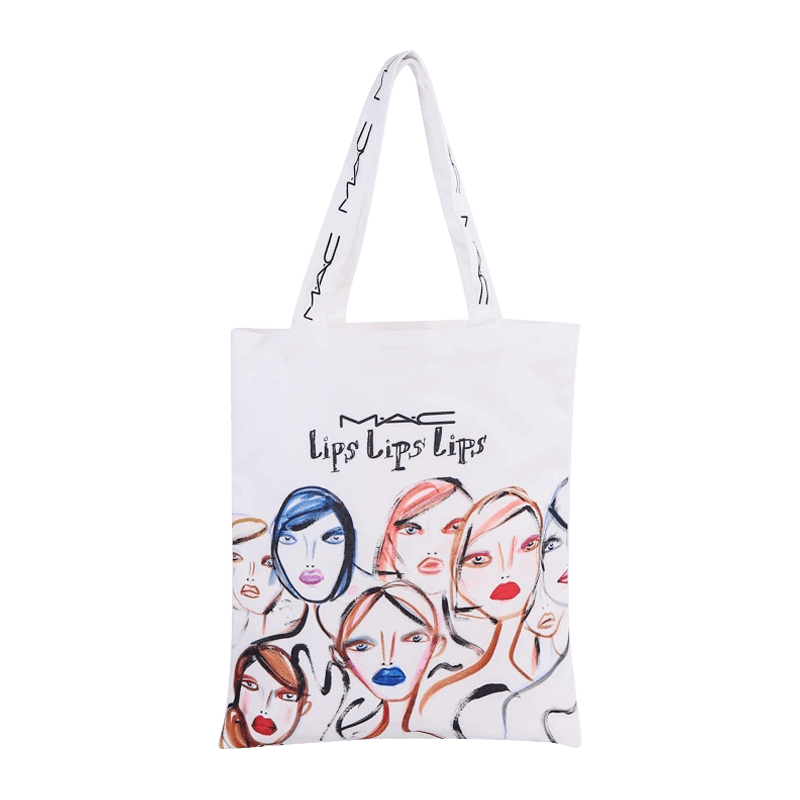
عربىNon Disposable Grocery Bags have become a regular part of shopping routines in many regions. Instead of single-use packaging, these bags are designed for repeated use over time. Their role is not limited to carrying groceries; they also reflect changes in how people approach daily consumption and waste management.
Material Choices and Basic Structure
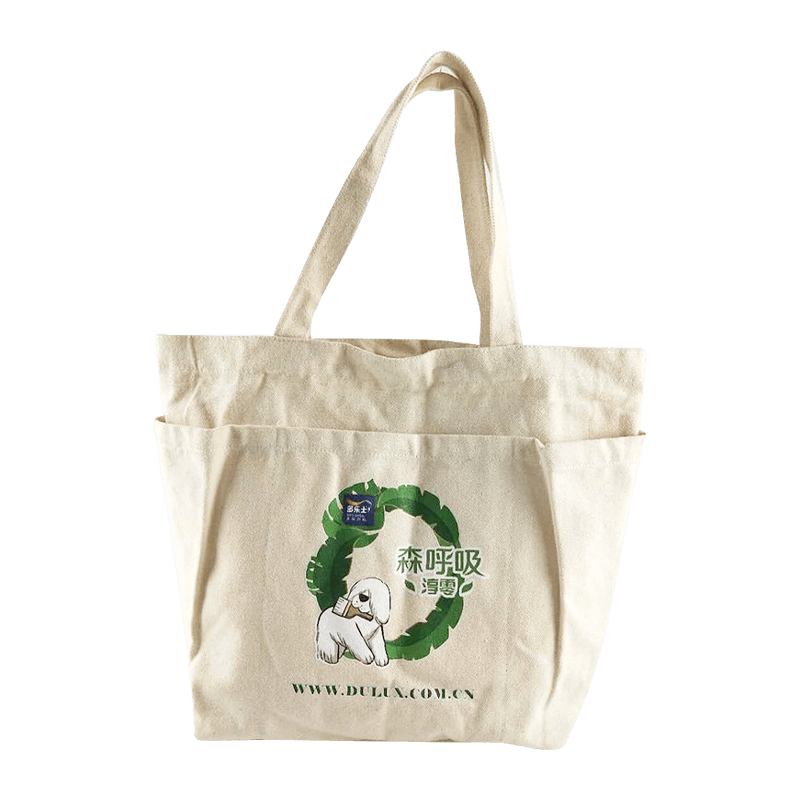
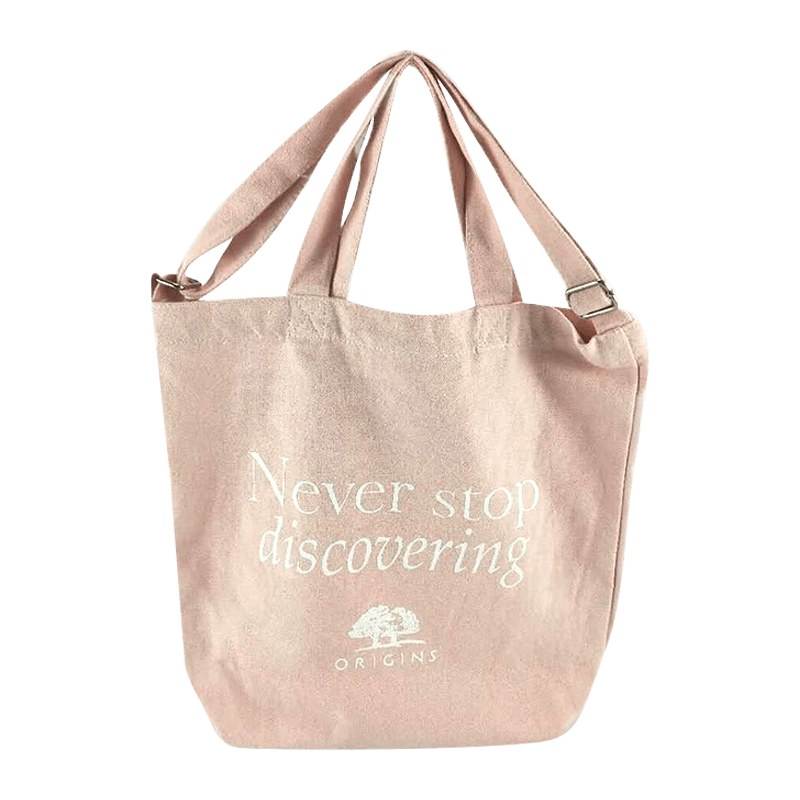
A Non Disposable Grocery Bags product is usually made from materials selected for durability and repeated handling. Common options include woven polypropylene, cotton, non-woven fabric, and recycled polyester.
Each material has different characteristics. For example, woven polypropylene is often used for its resistance to tearing, while cotton-based options are chosen for flexibility and washability. These materials allow the bag to be used multiple times without quickly losing shape or strength.
Handles are reinforced in many designs to support heavier loads, and stitching is often double-checked during production to reduce the risk of separation during use.
Everyday Use in Shopping Environments
In supermarkets, local markets, and retail stores, Non Disposable Grocery Bags are increasingly used as an alternative to single-use plastic bags. Customers often bring their own bags or purchase reusable ones at checkout.
These bags are not limited to groceries. They are also used for carrying household goods, clothing, and daily essentials. Their foldable or lightweight design makes them easy to store in cars, backpacks, or entryway spaces.
For retailers, offering Non Disposable Grocery Bags at checkout counters has become a simple way to encourage reusable habits without changing store operations significantly.
Cleaning and Maintenance Practices
Since Non Disposable Grocery Bags are designed for repeated use, maintenance becomes an important factor. Most fabric-based versions can be cleaned with water and mild detergent. Some materials are machine washable, while others require air drying after wiping.
Regular cleaning helps reduce odor buildup and keeps the bags suitable for food-related use. Users often rotate between multiple bags to extend their usage cycle and reduce wear on a single item.
This maintenance routine supports longer service life and helps the bags remain practical over time.
Environmental Considerations and Usage Habits
The use of Non Disposable Grocery Bags is closely connected to waste reduction efforts. By replacing single-use packaging, these bags help reduce the volume of disposable plastic entering waste streams.
However, their effectiveness depends on repeated use. A bag that is used many times over its lifespan generally provides more value in terms of material usage than single-use alternatives.
Consumers are also becoming more aware of how often they reuse each bag, which influences purchasing decisions and daily habits.
Storage and Portability Features
Design improvements have made Non Disposable Grocery Bags easier to carry and store. Foldable versions can be compressed into small sizes, while some designs include built-in pouches or clips for convenience.
This portability supports spontaneous shopping trips, reducing the need to request disposable bags. It also encourages users to keep bags accessible in vehicles or personal bags.
Role in Retail and Consumer Behavior
Retailers often promote Non Disposable Grocery Bags as part of broader sustainability practices. Some stores offer discounts or incentives when customers bring their own bags.
Over time, this practice has influenced consumer behavior, making reusable bags a standard part of shopping preparation. While habits vary between regions, the general trend shows increased familiarity with reusable options.
Non Disposable Grocery Bags play a practical role in everyday shopping by offering reusable and adaptable carrying solutions. Through durable materials, simple maintenance, and flexible design, they support repeated use across different shopping environments. As more users integrate them into daily routines, their function continues to extend beyond simple packaging into a more consistent part of retail behavior.