

 English
 Español
 عربى
عربىThe use of Reusable Supermarket Bags has grown steadily as shoppers and retailers pay more attention to packaging choices. Instead of relying only on single-use plastic, many stores and consumers are shifting toward reusable options that can be used multiple times in daily shopping routines. This change reflects both practical needs and environmental awareness.
Material Types and Basic Structure
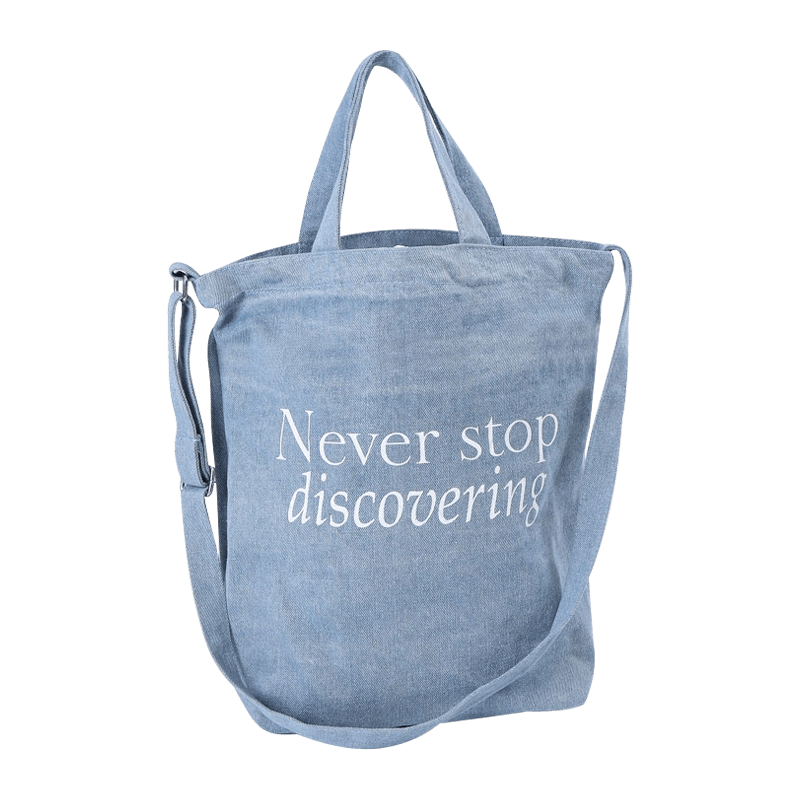
Reusable Supermarket Bags are made from a variety of materials, including non-woven fabric, canvas, polyester, and recycled plastics. Each material offers a different balance of strength, flexibility, and weight.
Non-woven polypropylene is commonly used because it is lightweight and cost-friendly for large-scale distribution. Canvas bags, on the other hand, are thicker and hold heavier items with greater stability. Some designs also use reinforced stitching or laminated surfaces to improve durability during repeated use.
These material choices allow Reusable Supermarket Bags to serve different shopping needs, from light grocery trips to heavier household purchases.
Everyday Shopping Experience
In daily use, Reusable Supermarket Bags provide a more structured way to carry goods. Unlike disposable bags, they tend to keep their shape, making it easier to organize items during transport. Many users keep several bags in their car, backpack, or near the entrance of their home for convenience.
Retailers often encourage their use by offering folding designs that are easy to store when not in use. This helps reduce the problem of forgetting bags when going shopping.
Reusable Supermarket Bags are also designed with different handle lengths and reinforced grips, which helps distribute weight more evenly when carrying groceries.
Environmental Considerations
One of the main reasons for the adoption of Reusable Supermarket Bags is the reduction of single-use plastic consumption. While individual usage patterns vary, repeated use of the same bag can reduce the number of disposable bags used over time.
Many supermarkets have introduced incentive programs, such as small discounts or loyalty points, to encourage customers to bring their own bags. This approach supports gradual behavior change without requiring strict enforcement.
Some bags are made from recycled materials, which further integrates waste reduction practices into the production cycle.
Retail and Branding Use
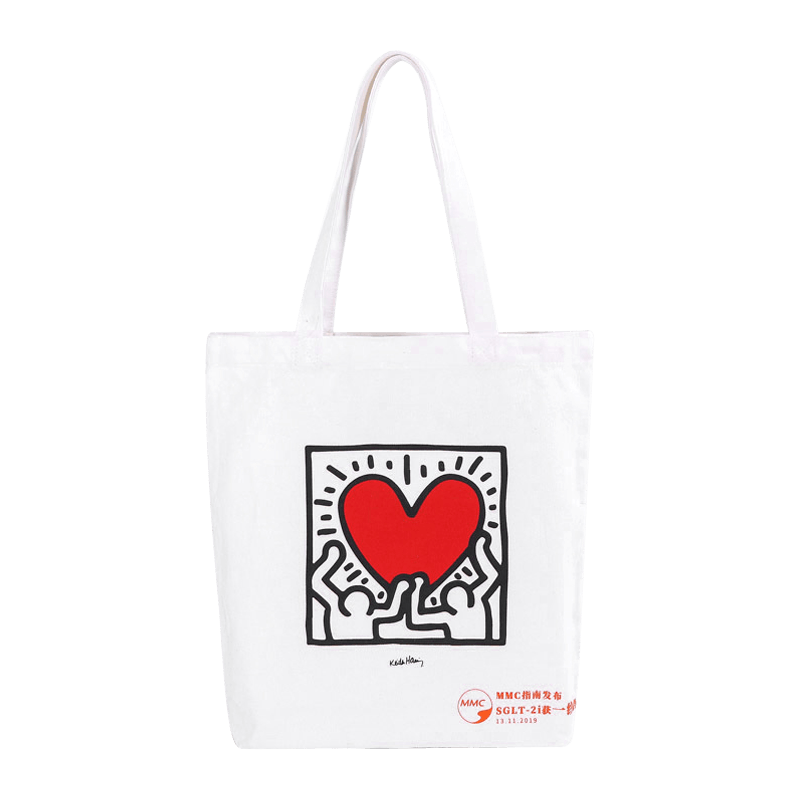
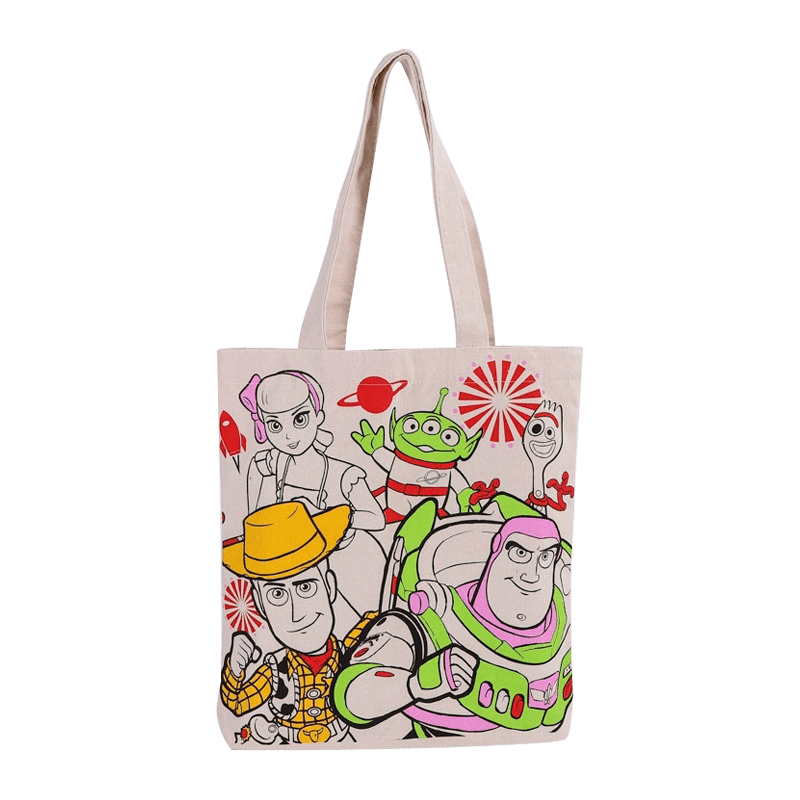
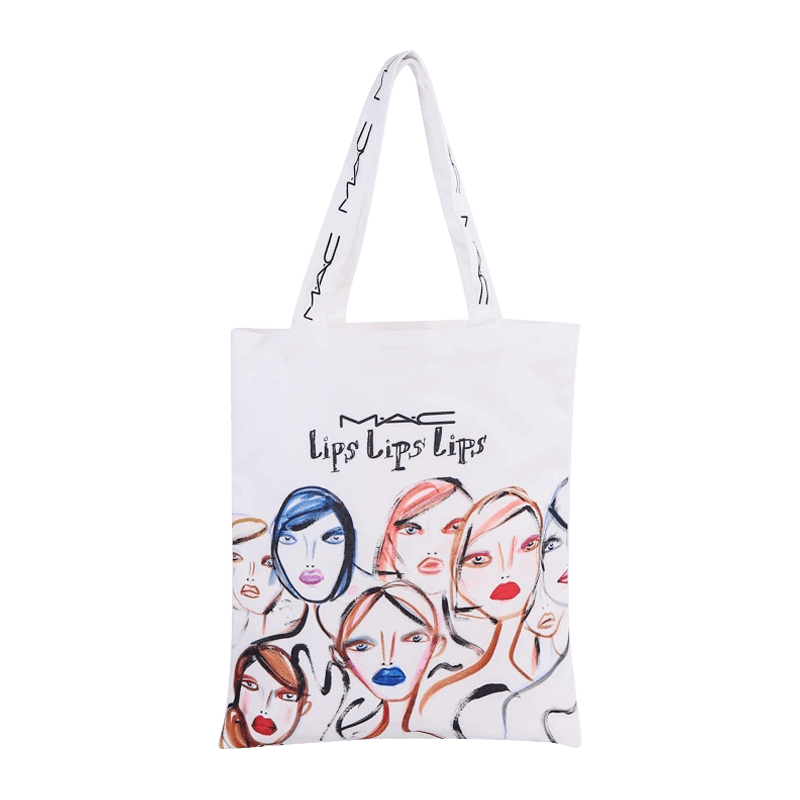
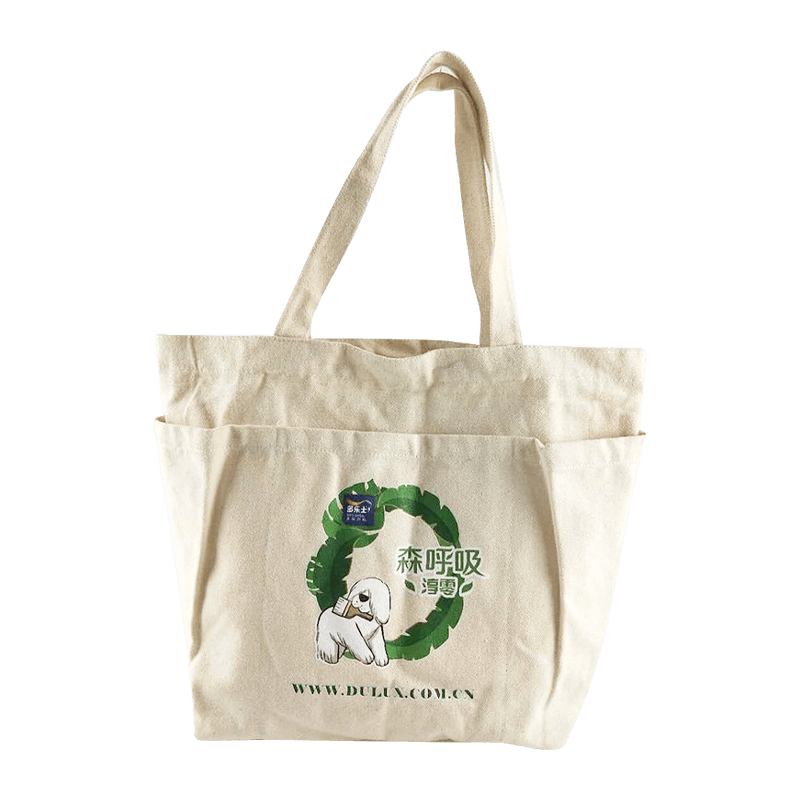
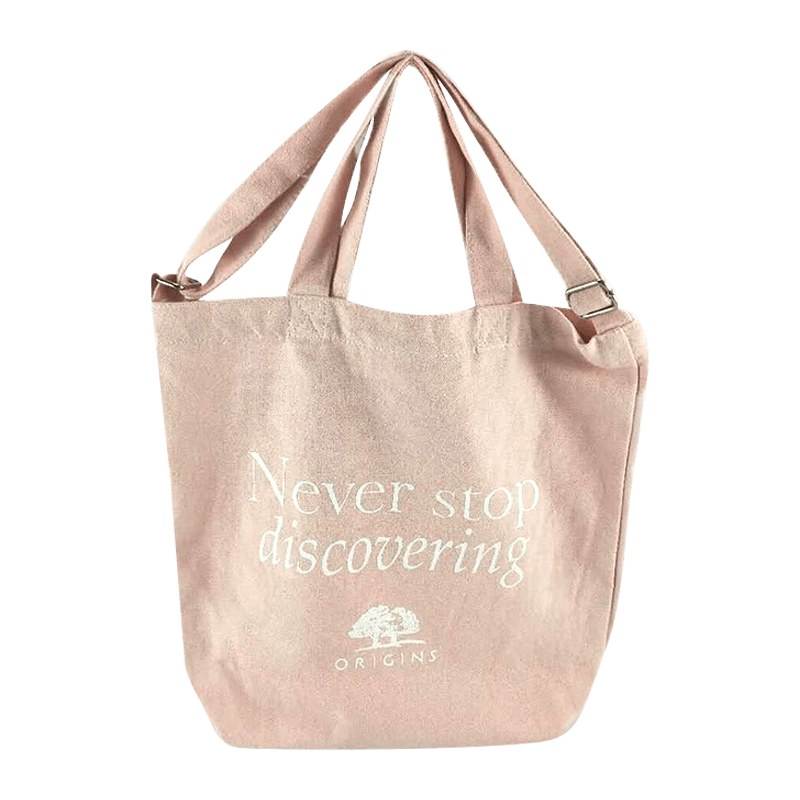
Reusable Supermarket Bags are also widely used as promotional items. Retailers often print logos, slogans, or store information on the surface of the bags. Because customers reuse them in public spaces, they also serve as mobile brand exposure tools.
For small businesses, this offers a practical marketing channel that is tied directly to everyday consumer activity. It also creates a more consistent visual identity across different locations.
Storage and Long-Term Use
From a user perspective, storage is an important factor. Reusable Supermarket Bags are often designed to be foldable or collapsible, making them easy to store in small spaces. Some versions include pouch-style packaging that allows the bag to be kept inside a pocket or purse.
Over time, users may rotate between several bags depending on shopping volume and purpose. Proper cleaning and storage can help extend usability and maintain basic appearance.
Cost and Accessibility
Compared with repeated purchases of disposable bags, Reusable Supermarket Bags offer a different cost pattern. While the initial price may be higher, the ability to reuse them multiple times changes how cost is distributed over time.
They are widely available in supermarkets, online stores, and promotional events, making them accessible to different consumer groups.
Reusable Supermarket Bags have become a common part of everyday shopping routines. Through material variety, practical design, and growing retail support, they offer a flexible alternative to single-use packaging. As shopping habits continue to evolve, their role in both personal use and retail strategy remains steady across different environments.