

 English
 Español
 عربى
عربىReusable Grocery Tote Bags are becoming a familiar part of daily shopping routines in many regions. Instead of relying on single-use plastic bags, more people are turning to reusable options that can be used across multiple trips. This shift is influenced by practical needs in shopping habits as well as changes in how consumers think about carrying goods.
Changing Shopping Behavior
One noticeable change in retail environments is the increasing presence of Reusable Grocery Tote Bags at checkout counters. Shoppers often bring their own bags, reducing the need for disposable packaging. This behavior is not limited to supermarkets; it is also seen in farmers’ markets, convenience stores, and small retail shops.
The use of Reusable Grocery Tote Bags also encourages more organized shopping. Many users plan their purchases based on bag capacity, which can help reduce unnecessary items and improve packing efficiency.
Material Options and Construction
Reusable Grocery Tote Bags come in a range of materials, each with different characteristics. Common options include cotton, non-woven fabric, polyester, and recycled materials. Each material affects durability, weight, and ease of cleaning.
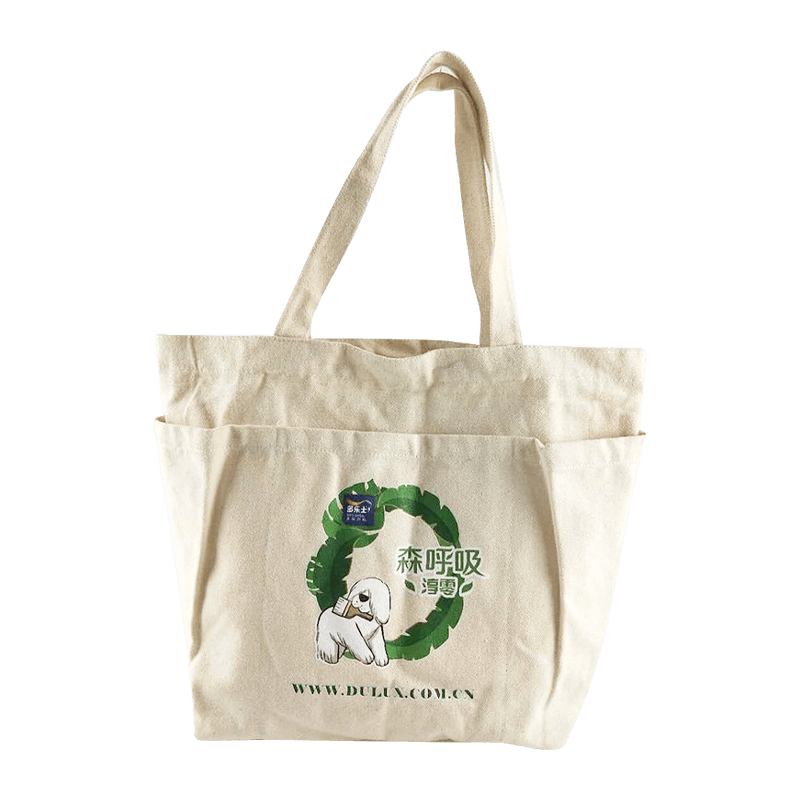
Cotton bags are often used for daily groceries due to their softness and breathability. Non-woven bags are lightweight and can be folded easily, making them suitable for quick errands. Polyester-based designs offer water resistance, which can be helpful in different weather conditions.
Manufacturers also focus on stitching quality and handle strength. Since Reusable Grocery Tote Bags are expected to carry varying weights, reinforced seams and durable handles are important structural elements.
Design Trends and Practical Features
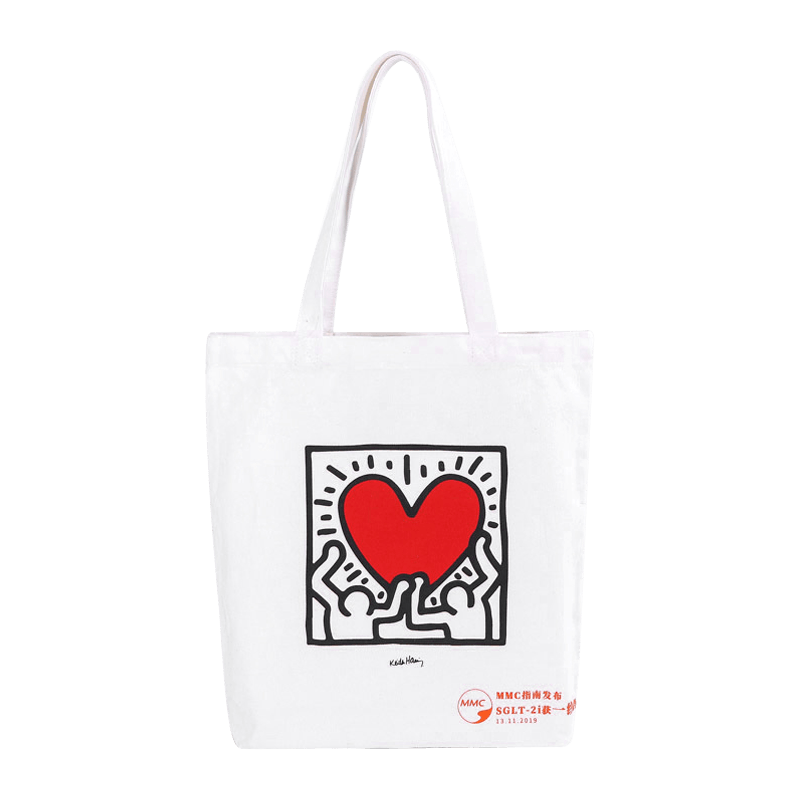
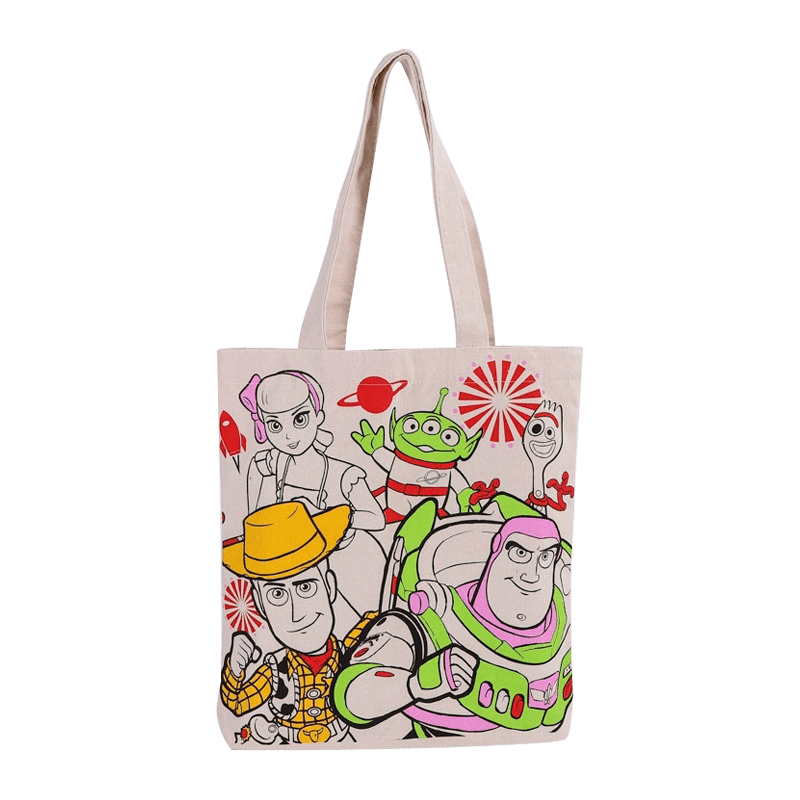
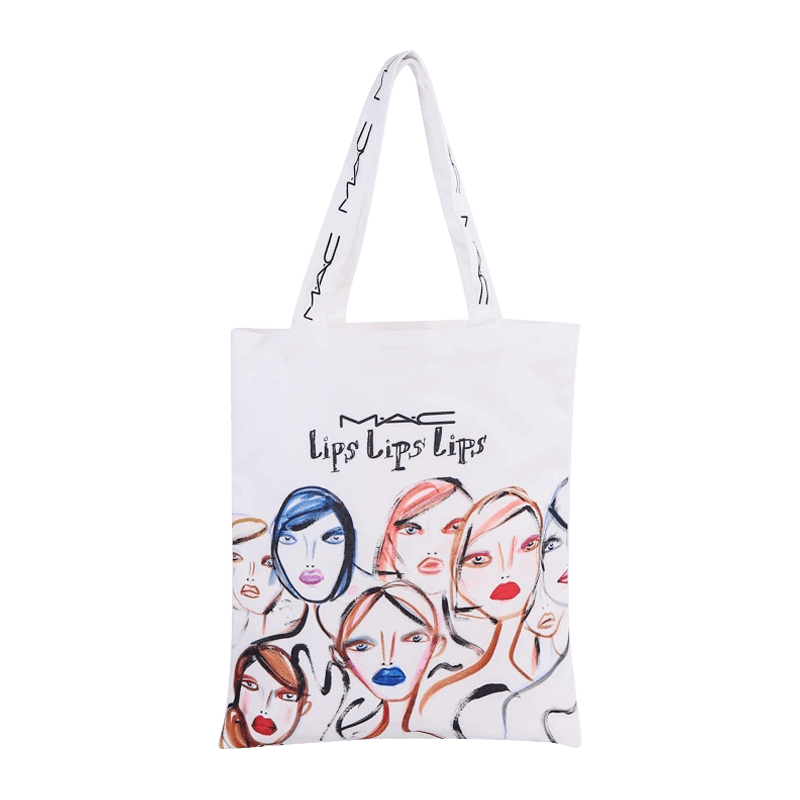
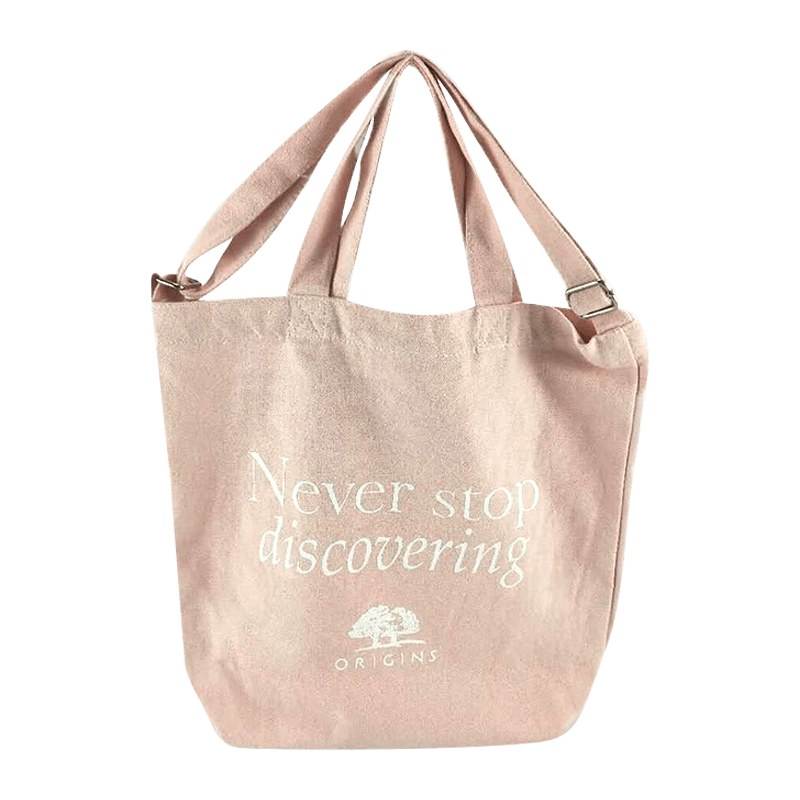
Design has become an important part of Reusable Grocery Tote Bags. While function remains central, visual appearance also matters to many users. Simple patterns, neutral colors, and printed graphics are commonly used.
Some bags include additional features such as inner pockets, zipper closures, or foldable structures. These details help users organize smaller items or store the bag more conveniently when not in use.
A Reusable Grocery Tote Bags set may also include different sizes, allowing users to separate fresh produce, dry goods, or heavier items.
Use in Different Environments
The application of Reusable Grocery Tote Bags is not limited to grocery shopping. They are also used in travel, office commuting, and household storage. Their flexible structure allows them to carry books, personal items, or even small household goods.
In urban environments, these bags are often used as everyday carry items due to their lightweight nature. In rural or outdoor settings, they are sometimes used for carrying tools or harvested produce.
Maintenance and Longevity
Proper care helps extend the usability of Reusable Grocery Tote Bags. Most fabric-based bags can be cleaned with mild soap and water. Drying them properly helps prevent odor or material wear.
It is also helpful to avoid overloading the bags beyond their intended capacity. While they are designed for repeated use, excessive weight can affect handle durability over time.
Rotating between multiple Reusable Grocery Tote Bags can also reduce wear on a single item and keep them in usable condition for longer periods.
Reusable Grocery Tote Bags have become part of everyday shopping culture, offering flexibility in both use and design. With different material choices and practical features, they fit a range of daily needs beyond grocery shopping. As more people incorporate them into routine activities, they continue to play a steady role in changing how goods are carried and organized.